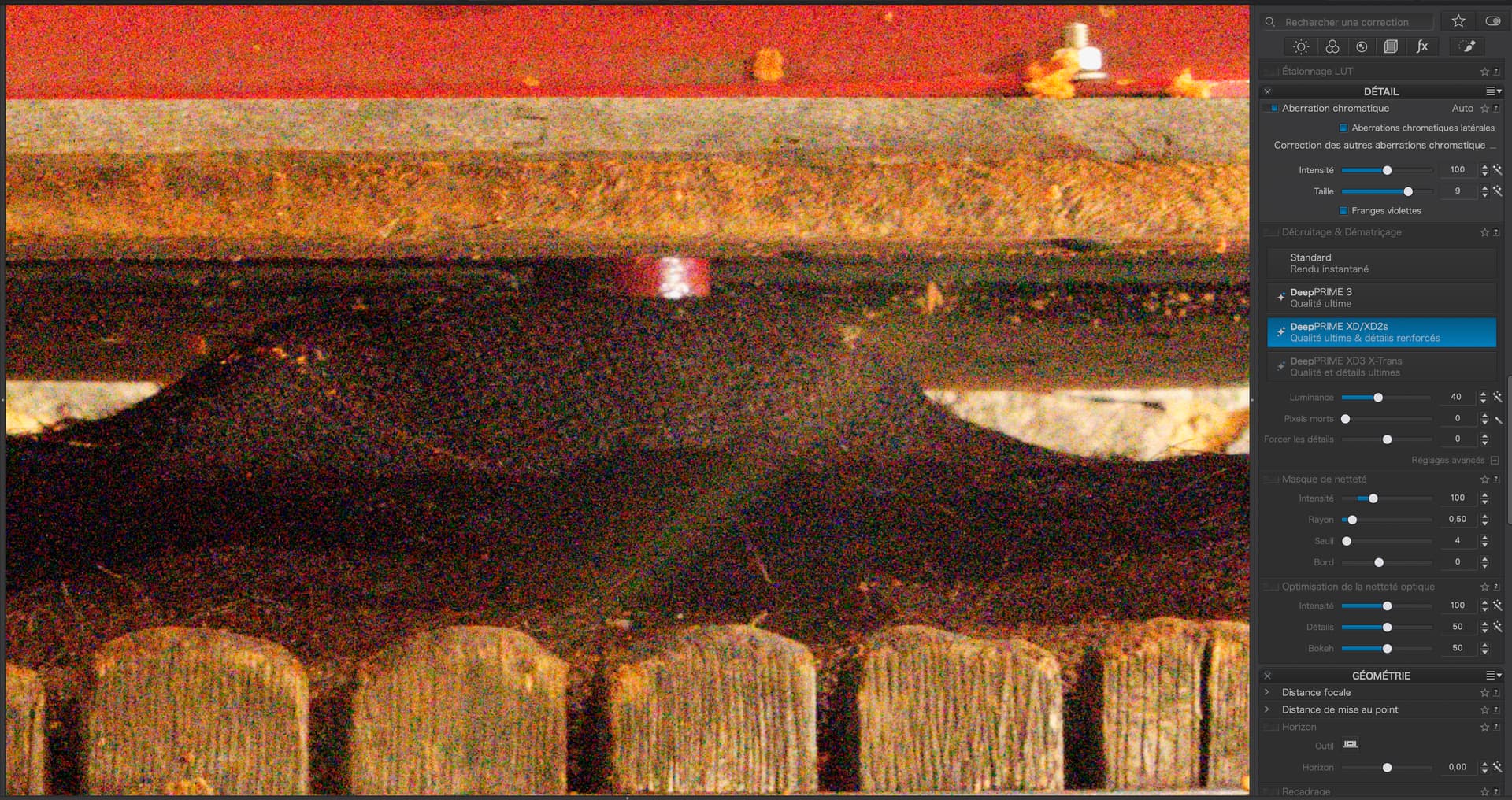
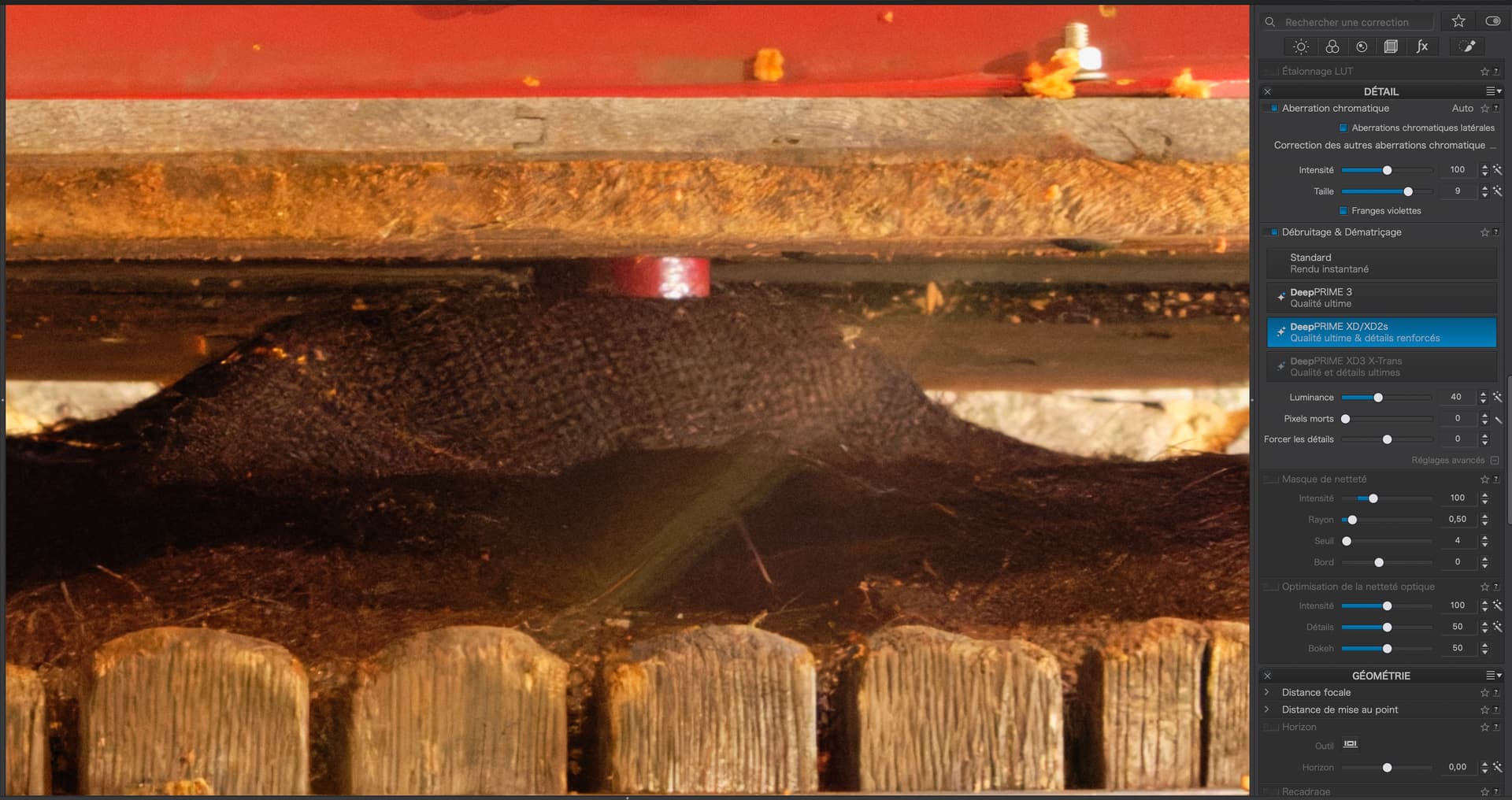
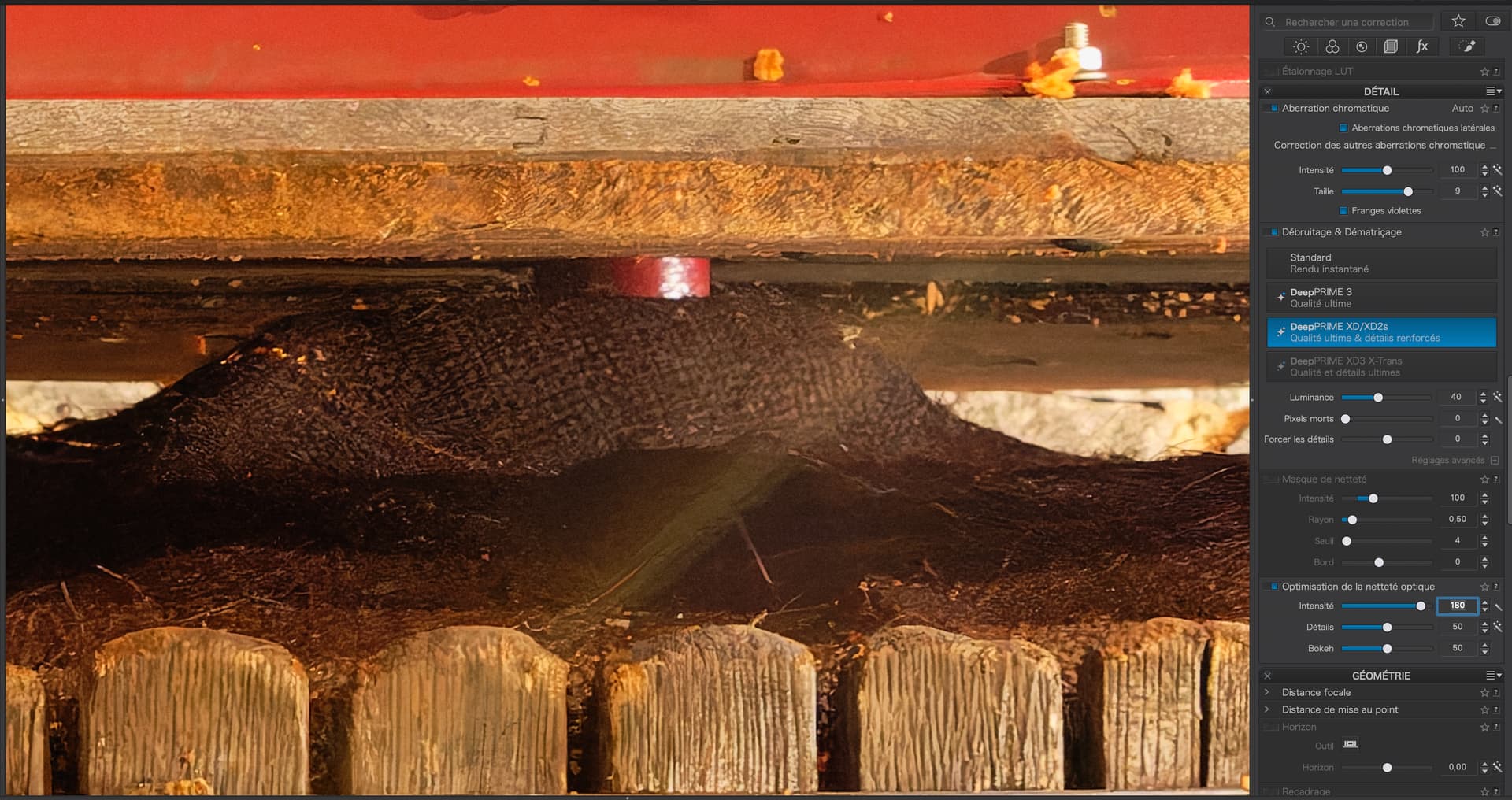
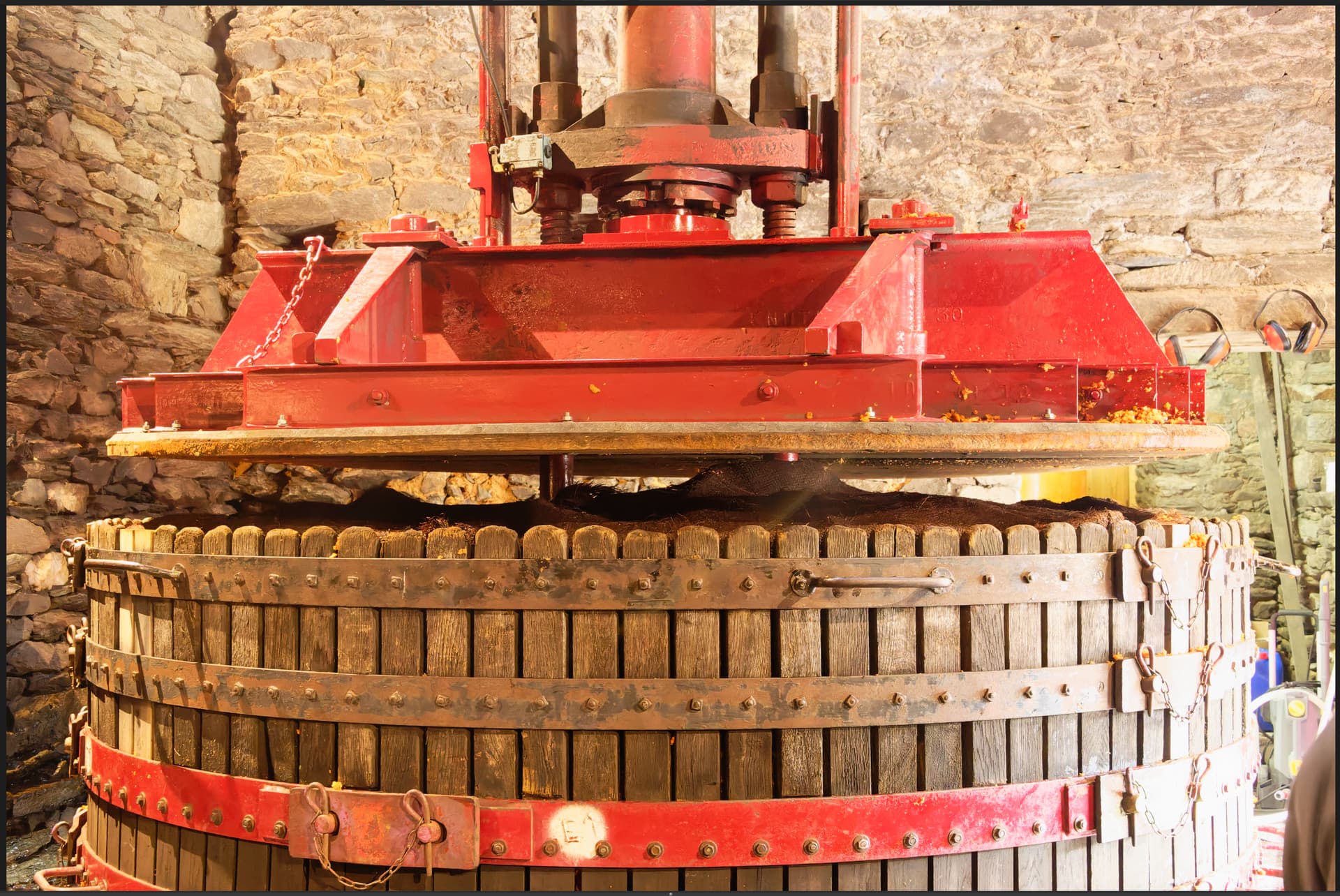
There’s really no need to avoid high-ISO these days, provided you have suitable software.
There’s a trend on Instagram with a similar point being made. The poster makes up some fake argument “They tell you not to shoot at high ISO” then posts themselves shooting at high ISO and running it through Lightroom (because that seems to be all people use on social media).
Anyway, LR does now do a decent job with managing noise, although it seems slow compared to PhotoLab (in de-noising at least)!
Rescuing a high-iso photo is what brought me to Photolab 4-5 years ago. The whole industry has moved forward in this area, but DxO still seems to be the leader.
Perhaps folks need a better understanding of “iso” in modern digital cameras since it is not the same as film cameras. We can shoot at high iso, but loose dynamic range (signal:noise ratio) the higher the “iso”. The photographer still determine an acceptable limit.
To get the same dynamic range in the finished photo, modern camera sensors have much higher Signal:noise ratio (12+) at “Base ISO” than what is typically needed, providing significant latitude in iso and/or aperture and speed.
Current demosaicing algorithms such as DxO’s XD prime using “AI” as well as lens sharpness corrections greatly improves the apparent S:N ratio. Both are essential to getting the most out of a low-light image.
I quite agree with the three of you.
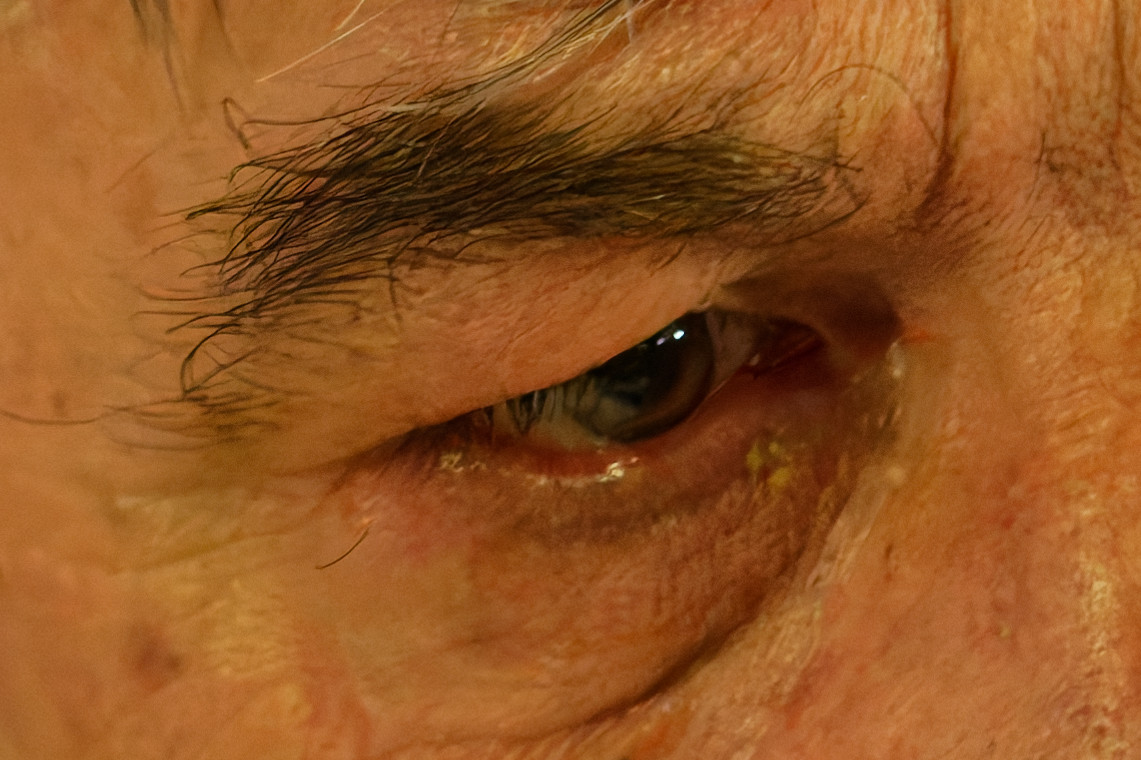
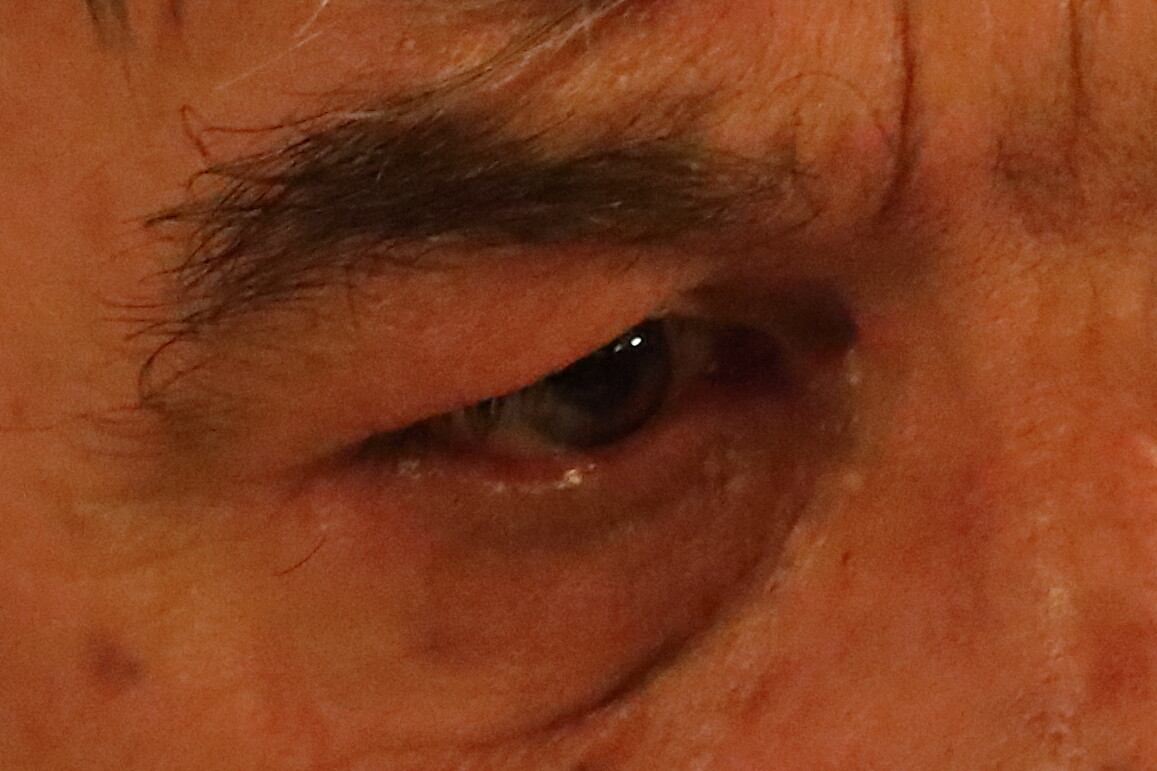
Even though I prefer low ISOs for portraits many of them can be enhanced in low lights thanks to DXO. In this case, the same detail jpeg-converted but not processed with DPP, Canon software, and with PL9 using DeepPRME XD, at ISO 12800
@swmurray, can I assume that even though you referenced DXOMark, you are aware that DxOMark and DxO Labs, the publisher of PhotoLab, are two completely separate companies and have not been owned by a parent entity or have had a formal relationship since late in 2017?
My point is that our ability to push current iso limits requires the combined technology efforts of both the sensor and the demosicking software developers such as DxO.
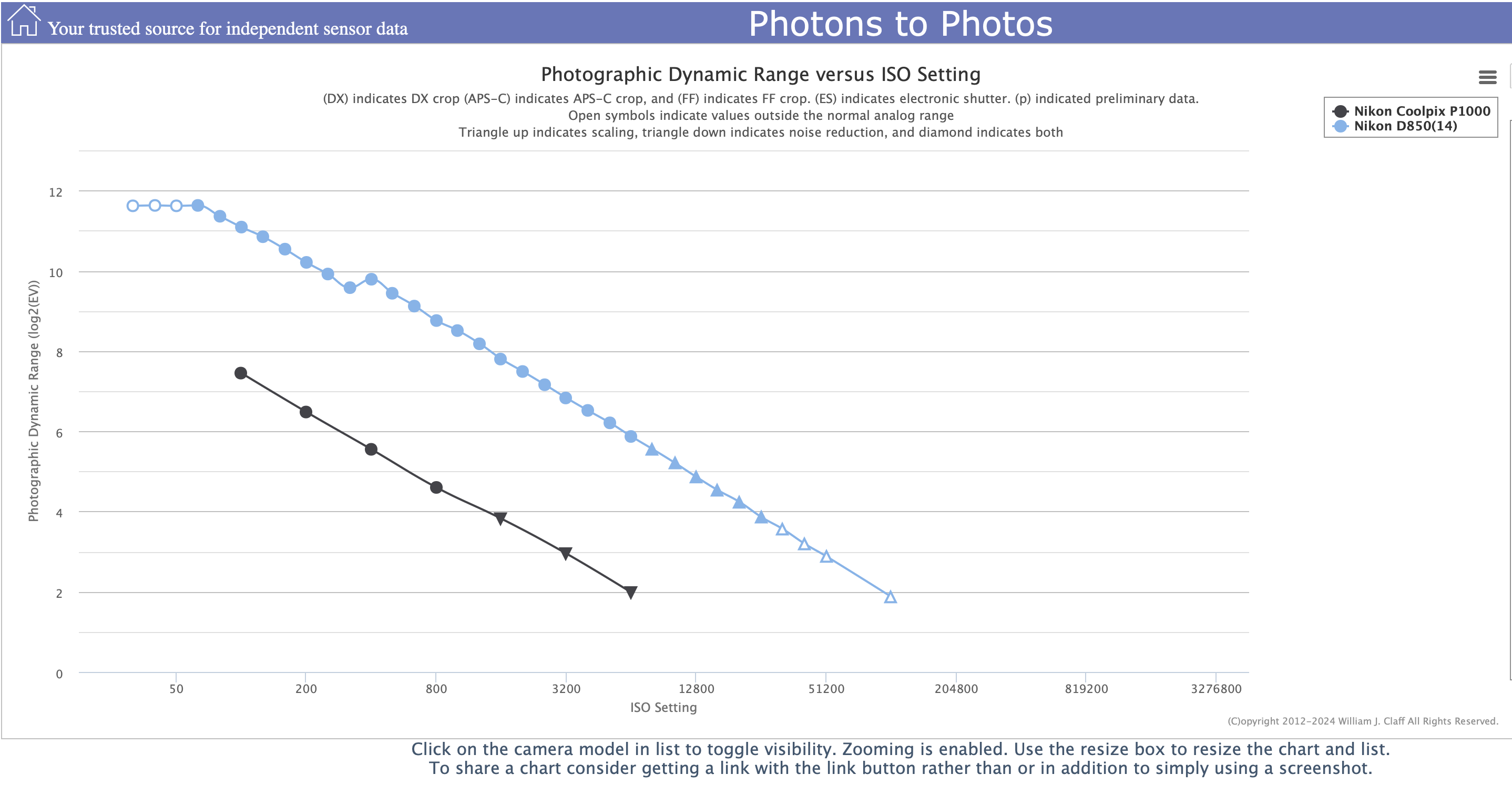
DxO Photolab does an amazing job of extracting information at higher iso settings, but this also depends on the quality of the RAW data too. One would not get the same results from a Nikon Coolpix camera sensor as a D850 sensor.
DXOMARK (separate company from DxO) as well as photonstophotos.com test and report the results of these sensor (camera) capabilities.
DxO (as in Photolab) and others push the software to extract the best denoising and optical corrections while working with whatever RAW data is provided by the sensor.
I am of the camp that DxO (as in PhotoLab) does the best for the demosaicking software, and, giving the sensor technology, why they test each system.
DxO’s noise reduction is the second greatest feature that keeps me using PhotoLab. The first is lens sharpness optimisation. Together, they are a camera system upgrade.
I’m not sure if I agree with the use of “rescuing”.
When it comes to lenses, to my mind, PL doesn’t rescue the image, it correct faults.
When it comes to wide dynamic range images, at low ISO, I have to expose correctly in anticipation of what PL can do and to which tones, especially deep shadows.
Rather than rescuing high ISO images, I tend to think more of PL simply removing sensor defects.
The image that brought me to Photolab was literally a shot in the dark. The subject was a rare bird under dense foliage near dusk. No other software I tried was able to bring out the details and color in the very dark shadows. For me this was a “rescue”.
Now, with a better understanding of Photolab’s capabilities, I consider this when choosing how to set my exposure for both “low ISO” as well as “high ISO” images.
Part of that knowledge is understanding the capabilities of my camera sensor, especially its response to dynamic range including black point and white point for various levels of available light. Different sensors, like lenses have different capabilities. In low light situations the sensor technology must “work harder” to accurately record the actual amount of light impacting each “pixel”. For clearly described physical reasons this impacts the signal:noise ratio. The details of this technology are well described in the literature.
Would you describe a Nikon Coolpix camera as having more “faults” or “more limitations” as compared to your D850? DxO’s software technology attempts to get the most out of either hardware, but the Coolpix camera is still more limited.
In some genres of photography, the luxury of controlling or even choosing light is one of “take the photo or don’t”.
I completely understand the rare bird scenario. I took photos of an aircraft, rare to my part of the world, using a low quality, wide angle lens fully open. Why, when these are all the wrong end of good aviation photography? Because it arrived late — after sunset. The photos were OK. I was happy I got anything. Years later, I put them through a modern PhotoLab process and now the photos are great.
Stenis
(Sten-Åke Sändh (Sony, Win 11, PL 6, CO 16, PM Plus 6, XnView))
11
But this is to make high ISO-testing like Ken Rockwell always use to do - in “very good light” or “too good light” and that will never really put all that much stress on either the sensor or Photolab.
I often find that the practical limit for me using Auto ISI Minimum Shutter Speed is around ISO 10 000 to ISO 12 800 with my A7 IV (full frame) or around 6400 with A6300/A6400 - with Deep Prime 3 or XD2s. So, with APS-C we have to turn down the ISO performance expectations even more.
Try doing a more realistic test turning down the light so the sensor has to struggle a bit more. Who really use ISO 25 000 in a light like that in cameras and lenses with “anti shake”-tech?
Those pictures would have looked OK even in Capture One that is far less capable in low light - because there was no low light.
That said: there is not very much to be scared of when it comes to low light and high ISO normally these days of several reasons. Photolab IS fantastic and the other thing I have seen even personally is that my A7 IV is just soo much better focusing in low light even compared to A7 III. It helps a lot too. This goes even for the competition and I think it might have started for real with Canon R5. I also already can see that the A6400 I got yesterday after “swapping” my older A6300 handles poor light much better. The older A6300 (which still is a decent APS-C-camera) had difficulties like all older Sony mirrorless really when stopping down.
Earlier Sony mirrorless cameras often were impossible to stop down below F11 but I have no problem to get A7 IV to lock with F22 now something impossible for me before and my A6400 has no problems at least with F16. I could also earlier see that I could not get my A7 III to lock with my old BigMa (150-500mm) on 500mm - it gave up at 350-400mm. A7 IV had no problem with that. If the camera can´t lock AF than there will be no pictures at least not with my Sony-bodies as they are configured.
If you set up a test where you on a tripod use one for iso steps up to compensate light diverences and an other set underexpose until say 4 stops.
You will experience that the iso set slidgly better is in details compared to the post exposure correction.
I did this a bit lose handed because we got a argument, discusion about the diverence (or not) between pre exposure correction by ISO values or base iso and post correction. ( shuttertime and aperture stayes the same in this test. ( you can use a gray filter to simulate less light.) Or decline shutter speed until your image is 4/6 stops underexposed and keep aperture in sweetspot of the lens.
Is the edit( post) exposure correction by computer as good /on parr as the sensor enhancement for capturing light in camerabody by your iso values.
If it’s just digital processing your software on the pc should be better because of constant updates and improvements of the software wile your camera just gets older.
ISO isnt the same as ASA so ISO is a difficult thing to grasp
It’s a standard about exposurephotones mapping in r,g,b,g values so the demosaciasion towards RGB values makes the same jpg image on ypur screen. Thus ISO doesn’t change the exposurevalues in it’s rudimentair definition. Amount of photons in a certain time hitting the photocel of the sensor which creates a certain value of charge.
What it does is how this charge is mapped in to the rawfile. And pretty sure it does some thing with the sensors sensitivity calibration. Noise signal ratio and floor signal visibility against noise.
So an other test which is fun : when is long exposure causing such a noise level that it is worse then just cranking up iso values to get a proper “exposure…”
Long exposures causes electrical sensor heating noises and plane random photon noises( photons who are just random bounced of things and dont belong of the reflection of light from your desired opject. But are just “noise”.
And heatwave distortion on telelensses?
Does high iso and shorter shuttertime give better detail against longer shuttertime and lower iso?
Lots of fun practical questions about take your poison of choice.
I found out that as long as you keep between the falloff of iso/dynamicrange ( amount of stops in 1 image) your fine most of the time.
And long shutterspeeds are often open up other doors as heatwave issue, sensor noise, blur by movement etc.
So i have my camera on intelligent auto iso and use manual iso settings for the moments i have more control over the situation.
2 Likes
Stenis
(Sten-Åke Sändh (Sony, Win 11, PL 6, CO 16, PM Plus 6, XnView))
13
As late as when Photolab 4 was realease I discovered a function in my Sony mirrorless cameras called Auto ISO Minimum Shutter Speed. In fact it had been around for 3-4 years earlier but as usual with Sony they missed to tell us about where in their menu-swamp they had buried it. They did the same with “Direct Manual Focus” and “Eye Focus” too.
The beauty with AIMSS was/is that it let us set a working span between ISO 100 and 10 000 or maybe 12 800 (for my full frame A7 IV) or ISO 100 and maybe ISO 6400 or max 8 000 in the APS-C-models, that both saves us from too high ISO noise problems and always secure at least (Standard/default) a shutter speed at the rule of thump of 1 / the focal length of your current lens mounted. In order to counter camera shake even without IBIS.
It also gives us total control to override it both with five preset stops of SLOWER, SLOW, STANDARD, FAST and FASTER. each stop “doubling” or “halfing” the effect of the current value (that we have on the rear wheel and on the front wheel we can chose what ever ISO for the system to strive for) . That makes us always ready and saves us from loosing a lot of shots because the camera settings got wrong thus caising unessessary camera shake.
The second part of this “config for the streets” or “Sony-Click-configuration” as I use to call it, was a function first released in Sony A6400 APS-C-camera that at that time was the cheapest interchangable lens camera Sony had. It was the first body to get a really intelligent “Real Time Tracking Auto Focus” with support for dynamic Eye Focus both for humans and animals. I have still hard to take in that this was first released in Sonys absolutely cheapest interchangeable lens camera. So, not in the flagship of the time A9 but or A7r II or III but in A6400 (it did not even have IBIS).
Yesterday I swapped my older A6300 for that A6400 in order to have it for the street. I also wanted an APS-C-camera working like my A7 IV does. A6300 do not. I have really had all my cameras that have supported these features configured both with Auto ISO Minimum Shutter Speed (since the days of Photolab 4) and even Real Time Tracking AF. With Real Time tracking it is almost possible to just activate it configure it AND FORGET IT. If it finds a person it goes for the yes, or the face or the body or something else moving and finally to the obkect that is the closest in the motif. It is really possible to point and shoot - it is a much smarter Kodak Click.
Is it fun using that camera for people loving fiddling with knobs, wheels and levers on their cameras? No, but it makes the job very good of harvesting useful picture data. It also gives you total freedom to focus on composition and motif rather than on camera tech. The ones that feels that sucks will probably be better off with a FUJI.
This configuration has really been a total game changer for me and I know even many other slow “analog”-type of digital photographers still stuck in a more analog-lik creating process. I often was too slow and pedantic earlier. These new tools and processes have given me soo much better timing and these days I even manage to get som nice portraits of my grandchildren from time to time. That was almost impossible before. and pictures I avoided to take.
This girl little Pashtoon was fine until I tried to take her picture. She got scared because I stod there trying to set focus with with the microprisms and cross-section aid in my old Pentax ME. After a few minutes a couple of women asked me to leave. I must say I understood them :-).
I’m no expert, but from what I have read and heard over the years, ISO is a trick, at least in modern cameras. Particularly with ISO-invariant sensors (I believe common now, but I certainly have one).
Noise is revealed by lack of light — a low signal to noise ratio. The only way to combat the noise is to get more light.
ISO doesn’t do anything other than multiply the light and the noise. Notwithstanding some cameras may apply additional processing depending on the ISO setting. So whether you boost the ISO in the camera or boost the exposure in post, all you’re doing is revealing the problem — lack of light.
If you’re shooting a static scene, it’s easily remedied. If you’re shooting a bird hopping around in undergrowth, you have two choices.
Take the shot at a high enough shutter speed you can at least be assured of no motion blur, or
Roll the dice with a longer shutter speed and try multiple shots in the hope that at least one of them does not have motion blur.
There is also a school of thought that says an ISO invariant sensor should be shot at low ISO in some situations because of the possibility that multiplying in camera could cause highlights to be blown. This is the reason that, while I let auto-ISO go quite high, I also usually shoot with at least -2/3 exposure compensation. The down side of this is the preview on the back of the camera is dark, but the upside is I can raise the exposure in post up to but not beyond the clipping point, and can then switch to midtones and shadows if required.
2 Likes
Stenis
(Sten-Åke Sändh (Sony, Win 11, PL 6, CO 16, PM Plus 6, XnView))
15
Me too but I guess in my case I have always felt all my Sony-cameras have been overexposing 2/3 of a stop or a full stop - especially in daylight.
Well, yes, the only reason to compensate exposure is when you know the camera will not give what you want. In some cases the camera may be deemed to be “wrong” but really, it’s just following a plan and it’s up to you to ensure the plan is appropriate for the situation, or have it adjusted.
In some cases, you may want to blow out highlights.
1 Like
Stenis
(Sten-Åke Sändh (Sony, Win 11, PL 6, CO 16, PM Plus 6, XnView))
17
Here is a Google Translated Link to something I wrote in Swedish about “Sony-Click” in 2020. That was five years ago before both Deep Prime XD2s and version 3 :
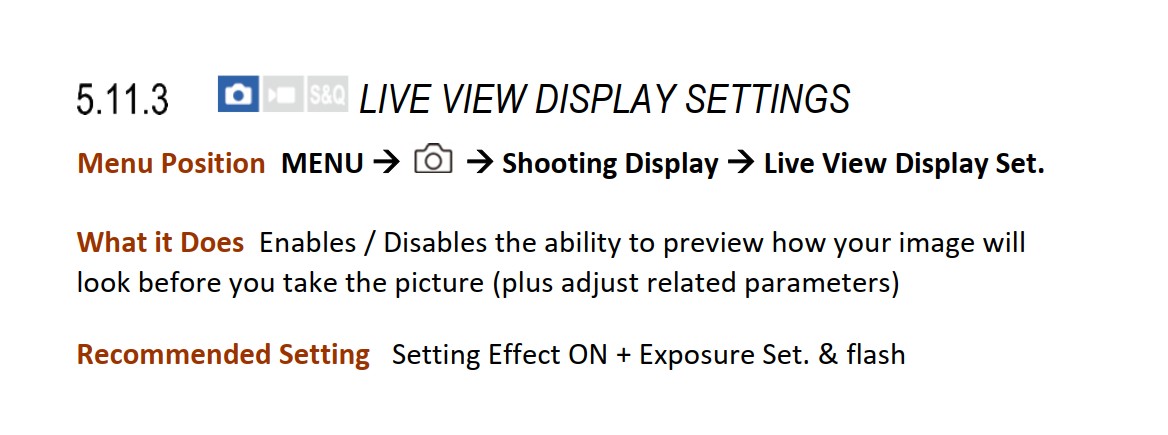
To @zkarj and @Stenis , your Sony cameras both have the ability to run LiveView either with or without adjusting the display for your backlight/compensation adjustments.
On my A6700 this is controlled by the LiveView Display menu
Im not either. Ive bin diving in a rabithole of ISO and ISO invariant sensors a wile ago. 2020 i think.
I will see if i can find my notes, because one guy at Depreview knows alot of it and he tryed to expain to me what ISO stood for and did. ( my old callsign is coupled towards a old email and my pasword says wrong so can’t enter my PMs anymore.)
From what i know of ISO-invariant is that every sensor has in its Dynamic Range a flat line inwhere SNR the same noiselevel has cross a certain amount of stops. There is always a drop off somewhere say your camera can have 13 stops DR at base ISO( the most effective exposuremapping) and the sensor is say ISO invariant between base(100ISO and 6stops. This should mean that the camera delivers the same image 6 stops under exposed at base iso as “propper” exposed at ISO6400.
So no effect on DR of the contrast of the image and no effect on the amount of noise.
There is always a threshold (snr=1?) and a ceiling ( clippingpoint of overexposure)
Everyone knows that your Image DR declines to a notisable point when you raise ISO values high enough so i think when your image DR is declining and you reached a clippingpoint at a certain ISO on the same scenery shot you can gues the amount of stops of ISO-invariant of your sensor.
And if we go talk about those extended base ISO settings then pff i get lost.
What does it extend? The amount of capability to absorbe photons? Like sticking ductape around a buckets edge to contain more water?
The sensors DR? Like it shifts blackpoint and whitepoint further away with the same amount of exposure?
These ISO things are mindblowing as blackholes in space
Edit: found my notes and i do a small summary of it because lots is copy paste posts post answers on depreview: these articals i need to reread again in order to write what it contains So if you are interested here are the links:
about ISO:
quote from my notes where i go to if i am confused again.
To get a grasp on what ISO is, you first have to get a grasp of what the output of a camera is (and the raw file isn’t counted as ‘output’ by ISO).
What that output is, is numbers which define places in a colour space.
In a colour space, the property which defines how ‘light’ or ‘dark’ a colour is, is called ‘lightness’ (the ‘L’ in the master Lab colour space).
So, every pixel in the output file has a lightness. ISO is simply a number which controls what is the lightness for a given exposure measured by the sensor.
The reference point is 12.6% grey in the output, which ISO says should be caused by an exposure of 10/ISO lux seconds.
So, at ISO 100, the 12.6% grey should be produced by an exposure of 0.1 lux seconds, at ISO 200 by 0.05 and so on. So, when you increase the ISO, all you;re doing is telling the camera to write in lighter colours for the exposures at the sensor.
my question about signal to noise ratio:
What determines the noisiness is the signal-to-noise ratio, and amplification doesn’t significantly change that, because both ‘signal’ and ‘noise’ are equally amplified.
answer:
Not really. ISO is well defined, although widely misunderstood.
ISO is a system of exposure indexes, which means guides to setting exposure.
The Japanese camera manufacturers association, CIPA, allows its members to use two of the ISO exposure indexes.
On is called ‘Standard Output sensitivity’, which defines what should be the exposure for an 18% grey object, the other is ‘Recommended Exposure Index’, which allows the manufacturer to recommend an exposure that produces what they think is a good image.
Mostly they use SOS and most cameras do it pretty accurately, to with 1/6th stop.
The bold part is important: ISO SHOULD be a standard and acting the same on each camera,. aka 1/100 sec f4.0 800iso should bring out the same image on all camera’s in contrast and lightness of the image. That’s the theory.
In practice lens glass differences, electronic differences in the sensor input to image etc. does give differences in output of the image.
So they came up with REI aka from a certain point we eyeball the perfect image representation as we think the customer would like to be “perfect”.
So ISO(the one on the dail of the camera i mean) isn’t a standard in explicit therms. Probably camera’s who holds the same sensor from a certain manufacturer have the same algorithm to provide the steps of ISO but even then the REI rule is used to give you the Brand taste.
So to short cut use of high iso:
higher ISO allows you to preview an rawfile on the spot and if you keep it with in a certain DR and most prevable with in ISO-invariant area there is no harm to the imagedata for postprocessing. (As long as you realize that in Aperture mode the shuttertime shortens and thus lower exposure on the sensor and thus helps you to “freese” motion (blur) at a cost of less DRof the image lightness/contrast and in the outer sections more noise. => higer ISO can make a image look sharper due the fact that motionblur is eliminated.
Last edit:
in order to gain ( pun intended) the most out of using isovalues a manual modes brings out the best of both worlds:
-manual shutterspeed means same exposure on the sensor wile ISO raising can help to “SEE” in the dark for composing and focussing on the desired subject.
higher shutterspeed allows you to freese motion at the cost of lower exposure and higher ISO tells the camera to lighten the image more for the oocjpeg.
So auto ISO works the best for you in shutter priority
Because when you keep Aperture and Shutterspeed the same the sensor exposure value stays the same! only the ooc image keeps a equal lightnes at different light conditions.
What I understood is that ISO is a part of the digitizing process, the A/D process.
Normally that process is something like (measured analog value/ maximum analogue value)*maximal digital value. This is the base iso. When using a higher iso then the maximal analogue value is lowered.