The selection of the World Press Photo 2026 are known.
For those who are interested.
George
The selection of the World Press Photo 2026 are known.
For those who are interested.
George
Thank you very much 
The results are (predictably) highly politicised. There are some great photos in the sets, including the polar bear on a sperm whale. While it wasn’t the most powerful photo, a representation of the chilling crackdown on the Columbia University Pro-Palestine Protests was deeply welcome.
The personal tragedy of Tanner is a grim reminder about the rise of cancer among those under 50 is grim wakeup call concering what mankind has done to this earth over the last eighty-six years (1940 to 2026).
Tanner’s experience humanizes a staggering and poorly understood global health trend. While cancer has traditionally been considered a disease of aging, predominantly affecting those over 65, incidence rates for US adults under 50 have risen steadily since the late 1990s. Research indicates that individuals born in 1990 now face a 200% to 300% increased risk of certain early-onset cancers compared to previous generations. Colorectal cancer, in particular, has shifted to become the leading cause of cancer death in men under 50. Between 2010 and 2019, approximately 200,000 Americans aged 15 to 49 were diagnosed with cancer annually, disrupting a life stage traditionally defined by health and financial productivity.
Tanner’s story culminates in American Fork, Utah, following the birth of the couple’s daughter, AmyLou, on May 15, 2025. Tanner lived for 41 days after her birth, long enough to cradle her and film a father-daughter dance intended for her future wedding. His death at age 30 is one poignant representative of the disturbing rise of early-onset illnesses.
I’ve often been disappointed with photo prize sets before, but this one includes some very good photos and well thought out selections.
Well, much longer than that. See e.g. Fototeca Gilardi > Photo FTT12762: INDUSTRIAL CHIMNEYS TO MANCHESTER, 1865
I’m mystified about what is objectionable here. Are the English angry to be held to account for their lack of consideration of the environment, whether at home or abroad? As for China, I’m not sure anyone in DxO forum holds much sympathy for that land.
Good point. Fitting that the second great wave of environmental destruction started with the English. The first took place in China, who has suffered from habitat-fatigue and massive wars for millenia.[1]
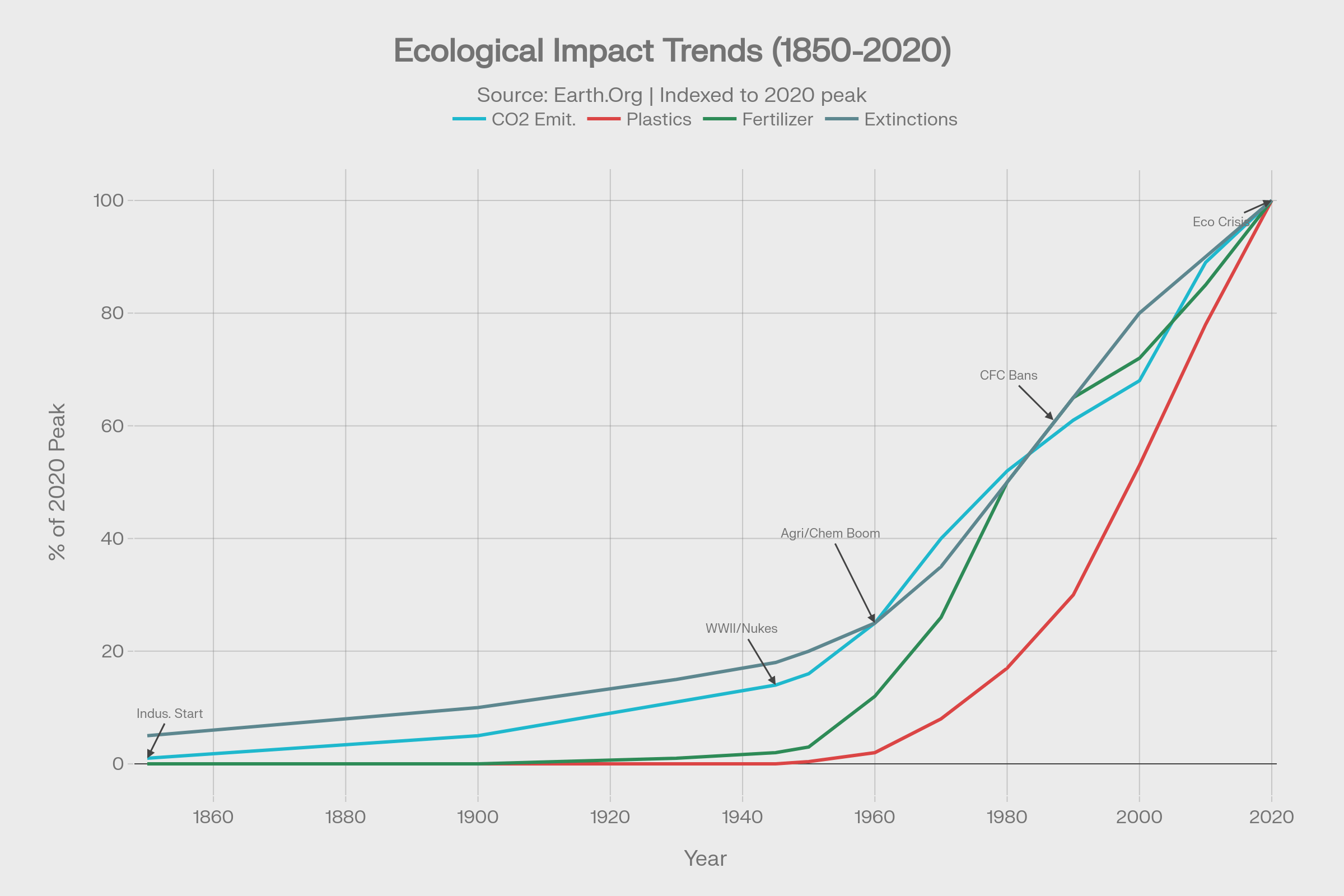
Destruction of the global environment radically accelerated with the onset of WWII and widespread advanced industrialisation (on a global scale) :
The World War contributed to the development of our current global environmental problems, which include the chemicalisation of industrial production, adoption of environmental toxins and nuclear fallout…
Before WWII, for example, pest control was primarily based on natural methods. During the war, these methods were gradually abandoned and DDT and other toxins were adopted first to combat the fleas spreading spotted fever and the mosquitoes spreading malaria, and then to combat agricultural pests such as beetles.
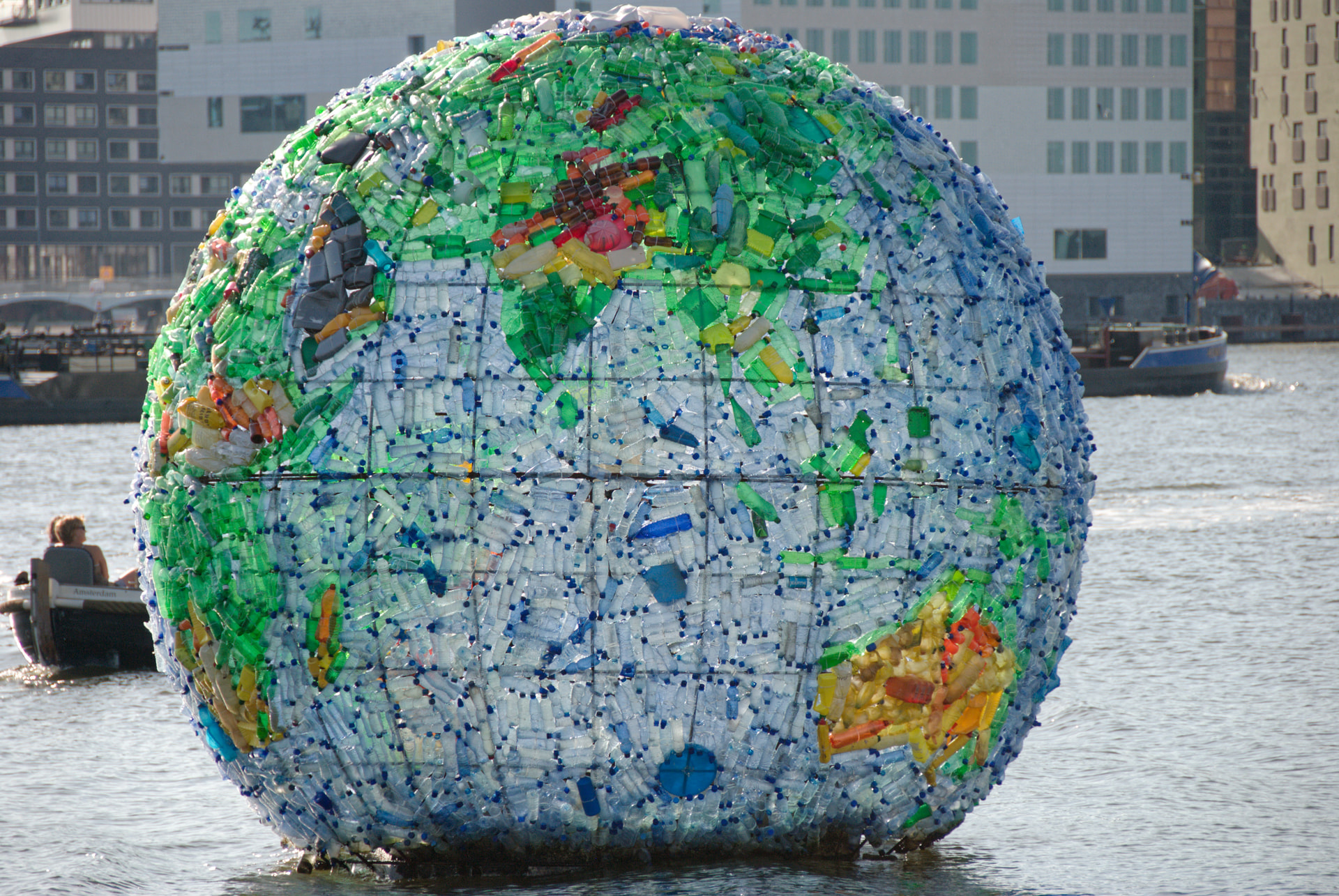
Apparently the biggest (of many) problem now are plastics. They are everywhere and not particularly bio-degradable. And contribute to cancer. The younger generations are poisoned with these plastics to their very core. Plastic microparticles are now even in mother’s milk.
The destruction is on a massive array of fronts, according to UN experts.
The earth cannot heal itself without another extinction-level event (don’t worry, it’s coming: sooner or later another massive asteroid will whack this planet of ours, if biological warfare gone awry doesn’t wipe humans out first).
It’s our duty to take the most beautiful photos we can for a future traveller from an antique land.
By 900 CE, North China was largely deprived of forest cover. During its imperial history, China had lost an estimated 290 to 300 million hectares of forest—roughly 30 percent of the country’s total land area. ↩︎
A few years ago I visited an exposition of the Dutch photographer Kadir van Lohuizen. He made a worldide reportage of pollution/waist.
George
‘A Desperate Plea’ (Asia-Pacific and Oceania area) is something in my genre, but I’m not sure if I had taken that one. With enough action photography experience, you just instinctively capture the moment while getting the “right” background to make the story. On the other hand, only few are ready to partially disconnect from the reality and focus on the outcome, i.e. the photo. War time photos unfortunately tell you even more about the human nature…
Slightly off-topic:
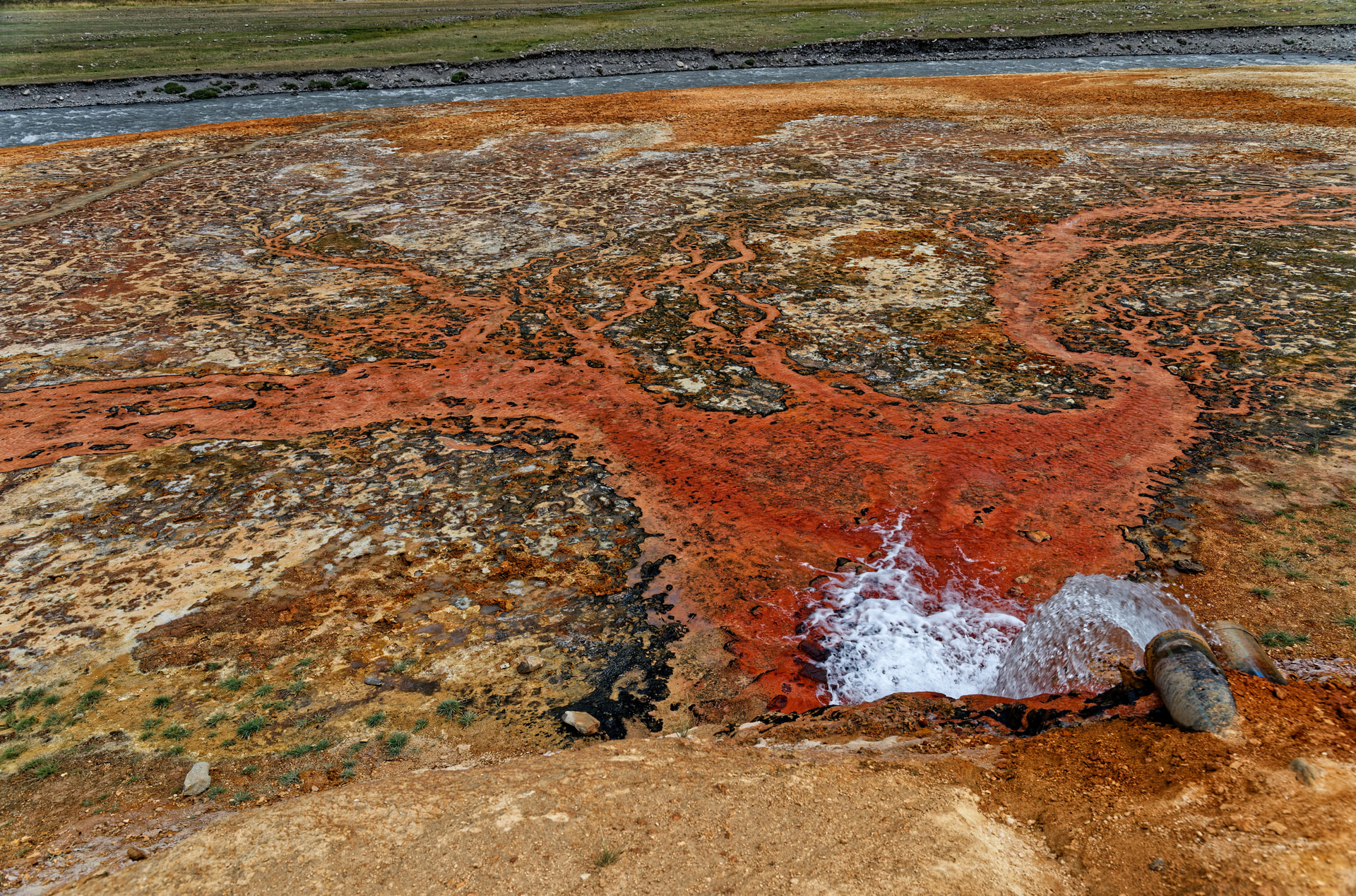
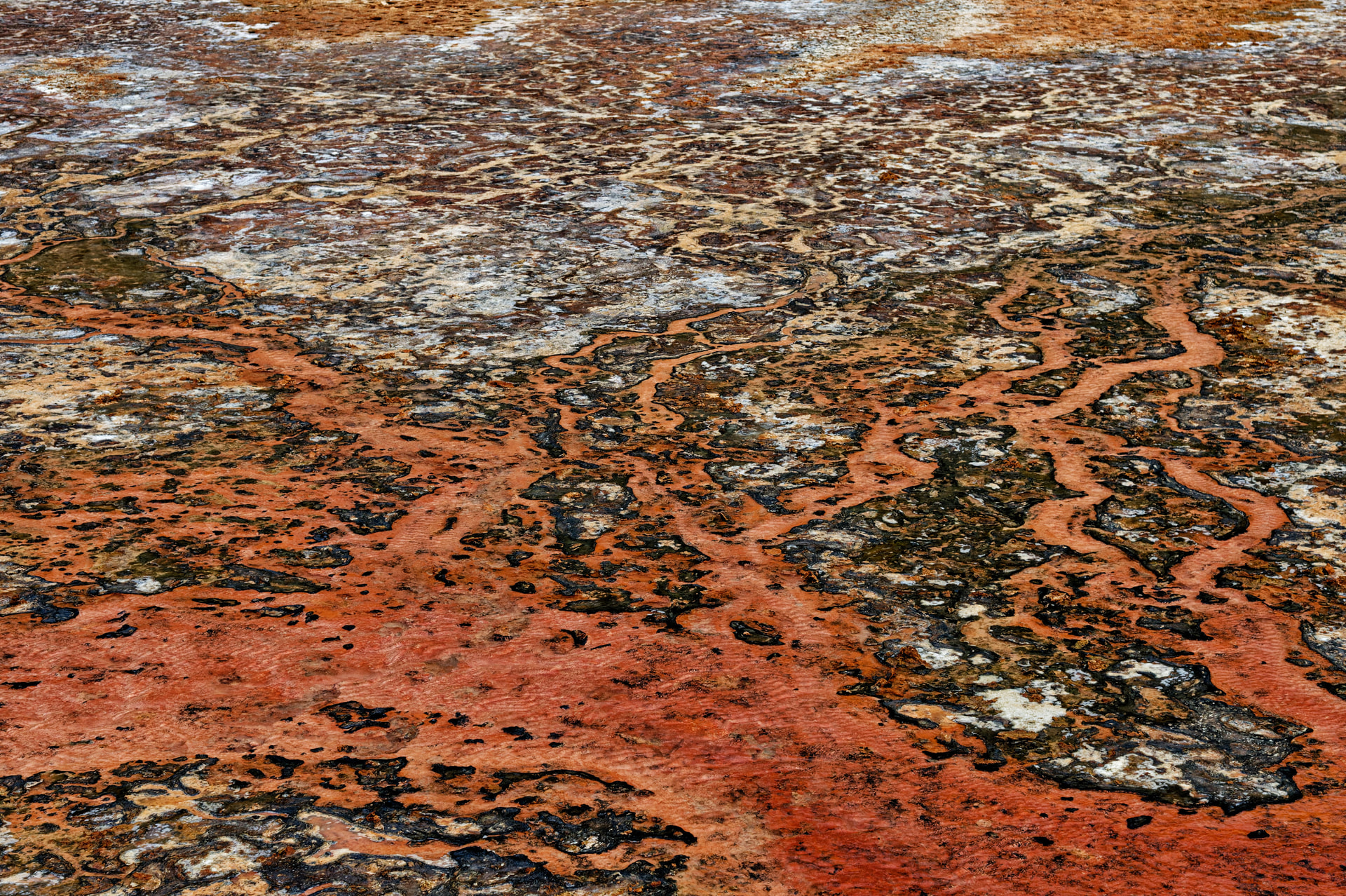
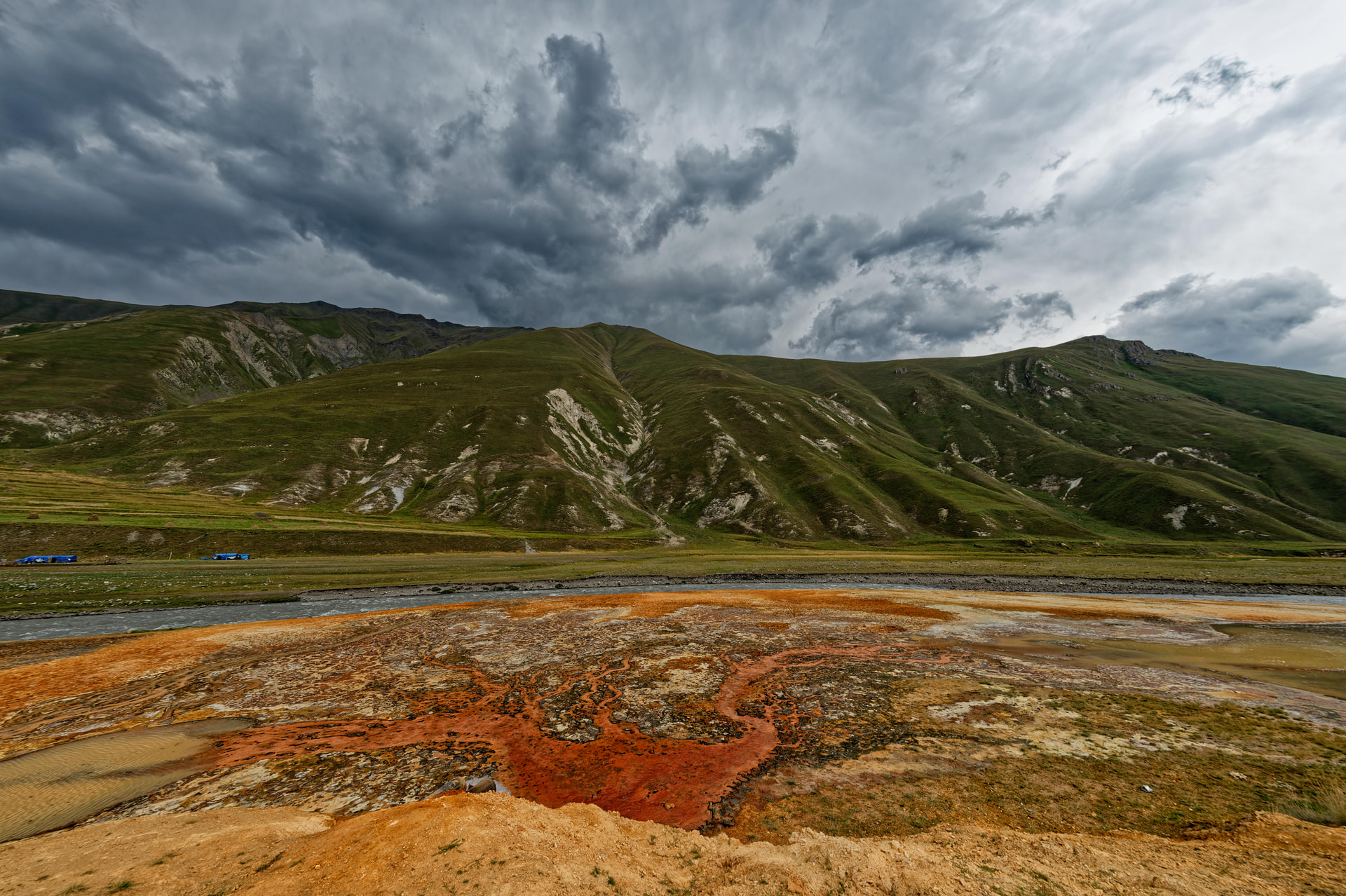
Some semi-natural contamination images follow. Truso valley in Georgia, sulphur and other minerals, about 10 years ago.
The sun was only through some dark clouds, so the colors aren’t good enough, perhaps slightly overdone here.
Source and target:
Abstract:
Overview, this one was taken with a fisheye lens: