The main problems I had during the analog era was often timing related, since I never have been an especially quick photographer. I´m too much of a perfectionist for that.
The strange thing though is that my old analog lenses perform better om my A7 IV than they ever have done on my Pentax ME. The most obvious reason for that is the support for focus peaking and “focusing aid” enlargements. I am not an all that big fan of Pentax ME microprisms and split view focusing. It was hell in poor light.
There are upsides too though! Some of my old Agfa CT 18 and 21 positive color slides have I been able to restore with Photolab. I’m working a lot now restoring my old historical pictures to my photo archive and am very happy I didn´t throw them away when I didn’t really know what to do with them.
… and I’m in a very good place now with the tech I have both in form of cameras, lenses, printer RAW-converters and the skills I have developed during the dark years of my photography.
So I am very satisfied with what I have really and don’t fell I need any new gear at all
I’m not sure if it’s beneficial or a hindrance (I think Joanna feels the latter), but regarding me and my photography, there is too much of a photojournalist buried into my brain cells.
If I walk out the door, the first thing I do is set my camera for that lighting.
If anything comes up, or happens my first thought is to capture “a” photo.
Old habits. If I was supposed to take a photo of something, a terrible photo was infinitely better than no photo. Whether a magazine, or a newspaper, or an assignment, the worst thing I could do was not capture any image.
Thanks to this forum, I’ve done a lot to change those attitudes. In my mind, nowadays I need to capture an acceptable photo at a minimum. I know it’s no longer “real”, but old habits die only with difficulty. The cameras, and lenses, and other accessories - they’re all just tools.
I’m trying to break that habit, to where the most important thing for me is to capture a beautiful scene, that doesn’t generate too many “oops” moments when people look at my .dop file. There’s a lot of stuff I can do acceptably well, but there’s also a lot of stuff that I still need to learn.
That is wonderful. I wish I could say the same.
I’d love to see a few more of your photos, should you ever feel like posting. And if so, I hope you post the raw file and your .dop file, so others can put themselves into your shoes. When other people edit my images, and post their .dop files, that allows me to see the world through THEIR eyes and thoughts.
I wonder if anyone in this forum is using a Nikon Z6 II. Contrary to what I read here before, Live View on the D780 is nothing like Live View on other Nikon DSLR’s. The sensor, controls, and so on were transplanted from the Z6 II design into this hybrid camera, in addition to all the standard DSLR components. It apparently has “face/eye” tracking for people and some animals, but not for birds. To shoot with it of course, I need to look at the rear screen, not the DSLR viewfinder.
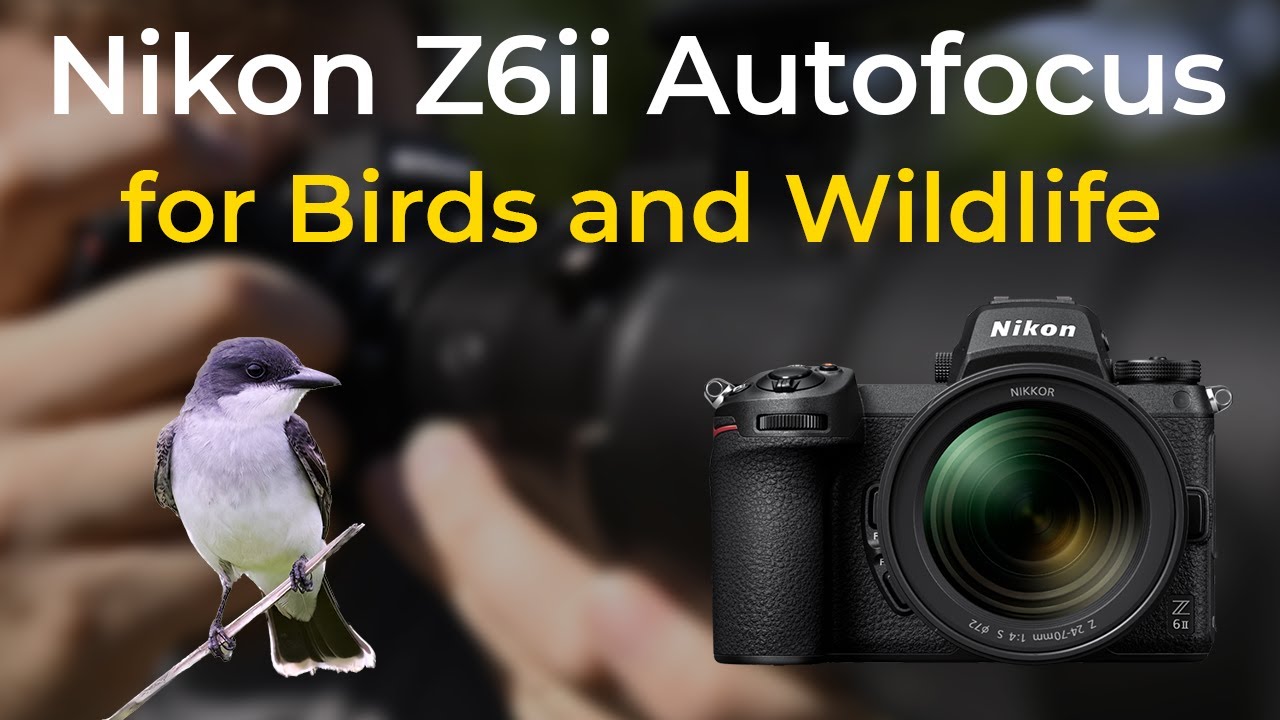
I bought two books on the D780, and am slowly working my way through them. One seems easier to read, and the other is more detailed. Better yet, I decided to look for training videos on the D6 II, rather than my D780. The best (easiest to understand) was this one:
Tomorrow I will set the Live View settings on my camera to the same that this fellow suggests, which should be a reasonable starting point.
I hope I don’t follow this fellow’s path though, as he got so involved he bought an actual Z6 II rather than using Live View on his D780.
None of this should have any affect on PhotoLab, which supports the D780.
And there’s your problem. Have you ever tried looking in detail at the rear screen in full sunlight? For the rare times I ever look at the rear screen, usually for studio work it’s not so much of a problem but for shooting outdoors, you definitely want to be setting it to its brightest.
And, even then, you’ve still got to consider trying to aim and frame the camera at arm’s length.
And the best of luck with that. Not forgetting that you will have to revert/change settings once you have finished, before you can shoot anything else.
That’s what bugs me with all these fancy, schmancy settings. You need a memory like an elephant to try and get from one type of photography to another, or even one subject to another.
I’ll stick to good old-fashioned DSLR technology and photographing mostly static subjects like landscapes and still lifes.
No, I haven’t, yet, but it didn’t seem to bother the person who created that video. I guess I’ll find out soon enough. I assume my camera will be supported by a monopod, which should help.
Nikon created separate menus for both DSLR shooting and for Live View shooting, so there will be no need to change anything back and forth. If I’m shooting normally, the camera is an ordinary DSLR. If I put it in “Live View”, it becomes a mirrorless - but I can only view the ML on the rear screen. It’s a compromise - and the fellow who made that video eventually bought the Z6 II camera. Since I’ve never done any of this yet, I don’t know what it will be like. My gut feeling is I think I agree with you, but if I want “tracking” and the ability to follow faces or eyes, or other things, that’s supposedly the beauty of ML, based on what I’ve read. Nikon did things as best they could, in my opinion.
I’ve never seen, or held, or checked out a Z6 II. From what my friend Ray told me, the Z8 would be a better choice, and the Z9 would be the best choice. I’m awaiting a phone call from my friend at KEH regarding changing my Df into a D850, but the main reason for doing that is more resolution, and you thought that was not a good idea, meaning I’m back to searching for a suitable longer focal length lens, but there is no rush. If I can train my “will power” to follow your advice, I know I shouldn’t bother to capture images I already know will be pixelated. (Not sure what my Df is worth, but I did a search for a new one, and the current price is over $3,000.)
You are smarter than I am, and have far better control of yourself. I stubbornly consider that I can do “anything”, when/if I get the proper gear. But what I enjoy the most about your photos, is that everything is perfect, and they are beautiful. You know what to shoot, how to shoot, and when to shoot. I may get closer, but I know I will never catch up. Impossible.
Are you focusing on the most important aspects of taking a photo? Perhaps it’s what you just said…
Joanna “know what to shoot, how to shoot, and when to shoot”. Whereas you are “when/if I get the proper gear”.
Your friend’s story sounds much more nuanced than the summary you give it.
One of the reasons I don’t like so-called third persons.
Read your friend’s story again. I believe you still don’t understand.
And view the link you gave again. It’s about the Z6II and birds.
George
1 Like
Stenis
(Sten-Åke Sändh (Sony, Win 11, PL 6, CO 16, PM Plus 6, XnView))
1122
I have to say I envy you and your tech journey min was terrible as you know but I was stupid too. It was a big mistake buying a KonicaMinolta D7D. Terrible focusing problems and I also had to get it repaired twice because the IBIS stopped working which locked the whole camera. This camera was really built like a tank but so so fragile when it came to the IBIS. The first time it broke down was an a once in a life time fishing toor to Los Roches Archipelago in Venezuela with my son. The second time it crashed I had it in a ruck sack that just tipped over standing on the colander of a boat. It was just nothing and the shit camera gave up for the second time.
This camera had the world’s first IBIS for system cameras. I have never had the slightest IBIS problem with my Sony-cameras.
I have always preferred Nikon before Canon that I never have liked but today I’m very happy with my Sony gear. I really ought to have bought a Nikon DSLR like a D90 or so that was very good and very popular.
As I see it, the "most important “aspects” varies, depending on the purpose of the photo.
There’s always the consideration of “do the best you can with what you’ve got”. …which I’ll always do anyway, even if I don’t have the perfect gear. Very often a “poor picture” is better than “no picture”.
The photos I shot for magazines were to illustrate the story I wrote, and show the most important things. They did NOT need to be beautiful, or colorful, and a lot of other “full” words that usually apply.
Improving, getting better, takes a lot of practice, and likely a lot of mistakes. Learning from mistakes is essential.
Hmm, how would YOU answer the question?
I have no doubts that if Joanna went to Wakodahatchee Wetlands, she would return with a lot of beautiful photos - or anything else I can think of.
The first (and only) time I went there, was very educational, and I captured images I like a lot, and images that in my opinion are worthless.
Not having “the proper gear” has never stopped me, but it usually led to improving my “gear” for the future. I’m sure it’s going to take me well over 100 attempts to get the most out of Live View on the D780, since I’ve never done it before on any camera.
No, it starts out about the D780 and birds, and then progresses to the Z6 II and birds.
On my next visit to Wakodahatchee Wetlands, I will start with the settings that he suggests.
As for me, I rarely “understand” until I “do”.
Maybe you’re smarter than I am, or maybe you learn faster.
Naturally, all I thought I knew before was that the Z6 II created some kind of “blackouts”. I asked him for a better description, which I posted here several days ago. What more do you want? All this ML stuff is new to me - and I expect to “suck” at it until I learn how to do it, and practice. I’m intrigued by it all, but I’m not about to spend thousands of dollars for that stuff yet. I may still give up on the whole thing, and go back to what I did before.
Please elaborate more - I’m not sure I’m understanding you correctly.
How old is that person and can they hold the camera steady?
Not necessarily. A monopod may be useful for side to side panning, but it’s not going to be much use for vertical movement.
No, no, no!!! how many times does it take to break this delusion you have that the D780 is a mirrorless camera? Point blank, it is not!!!
The only relation between the D780 and the Z series cameras is that its autofocus mechanism is common in that, in Live View, it uses the main sensor rather than a separate autofocus sensor. But this does not make it a mirrorless camera in the generally accepted definition of the word.
Except the D780 doesn’t do face or eye tracking for birds.
Whether it’s a high resolution sensor or a long lens, neither of them will provide the “magic bullet” you seem to be searching for. It is all about the subjects you take and how you frame them to avoid excessive cropping.
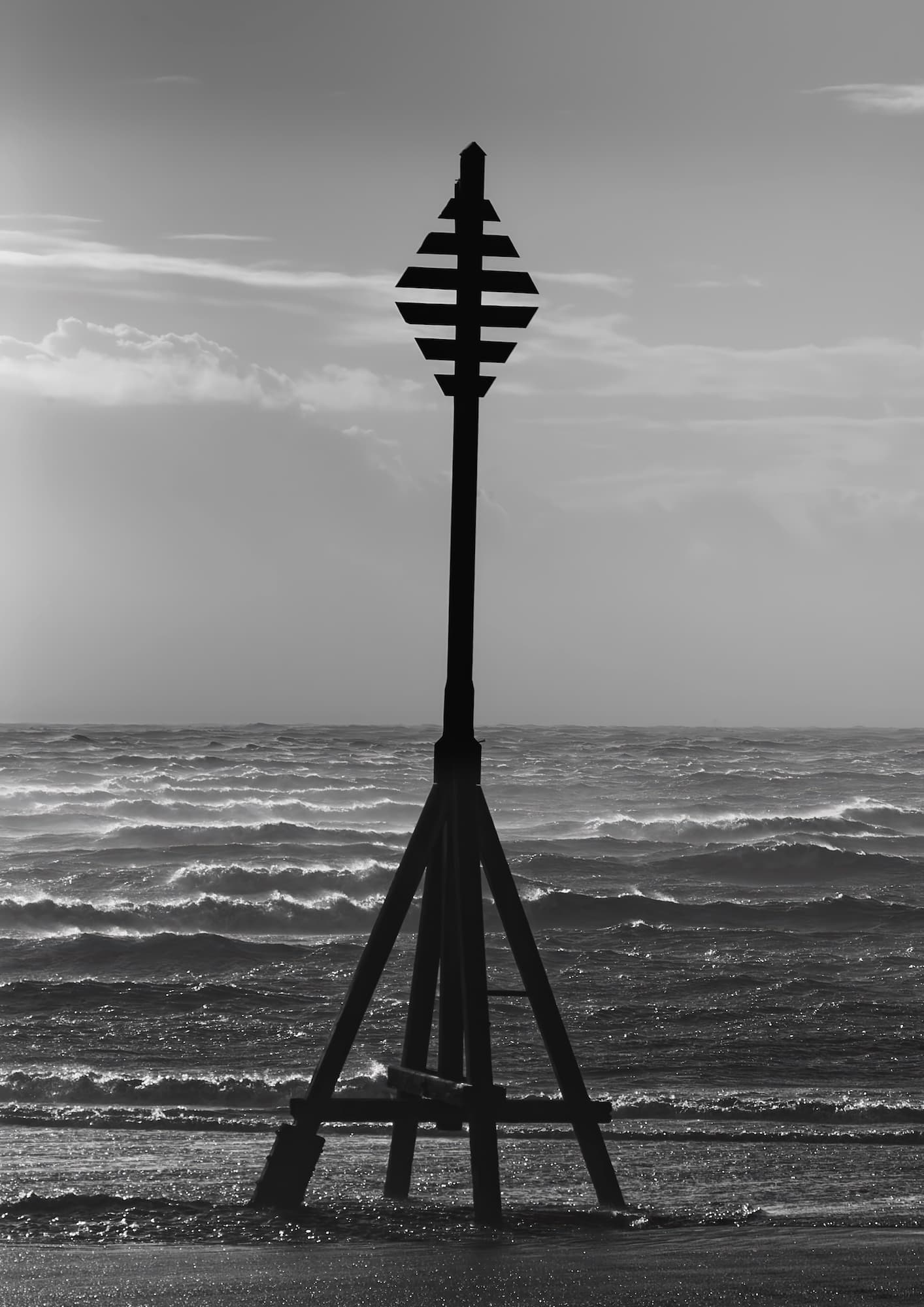
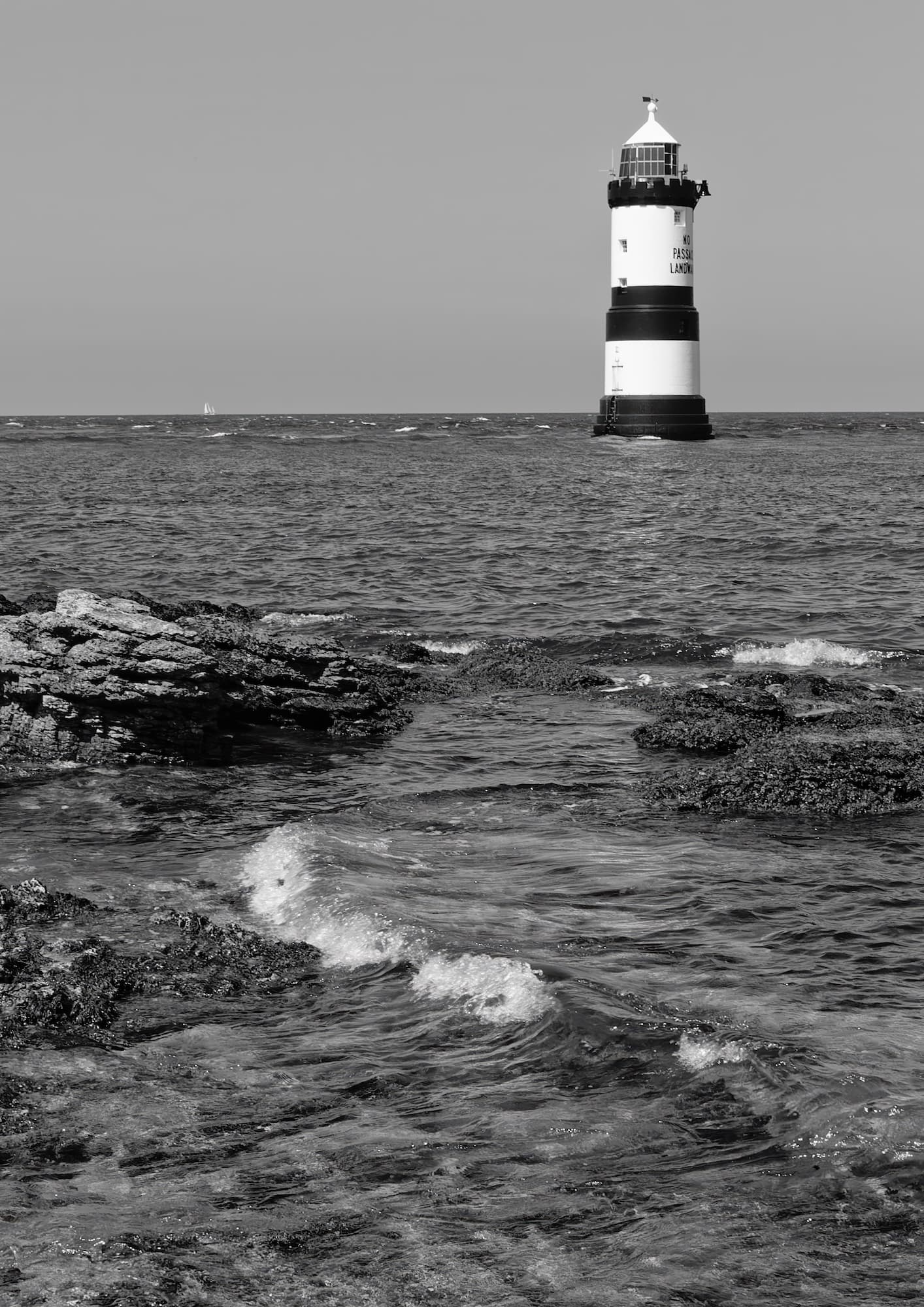
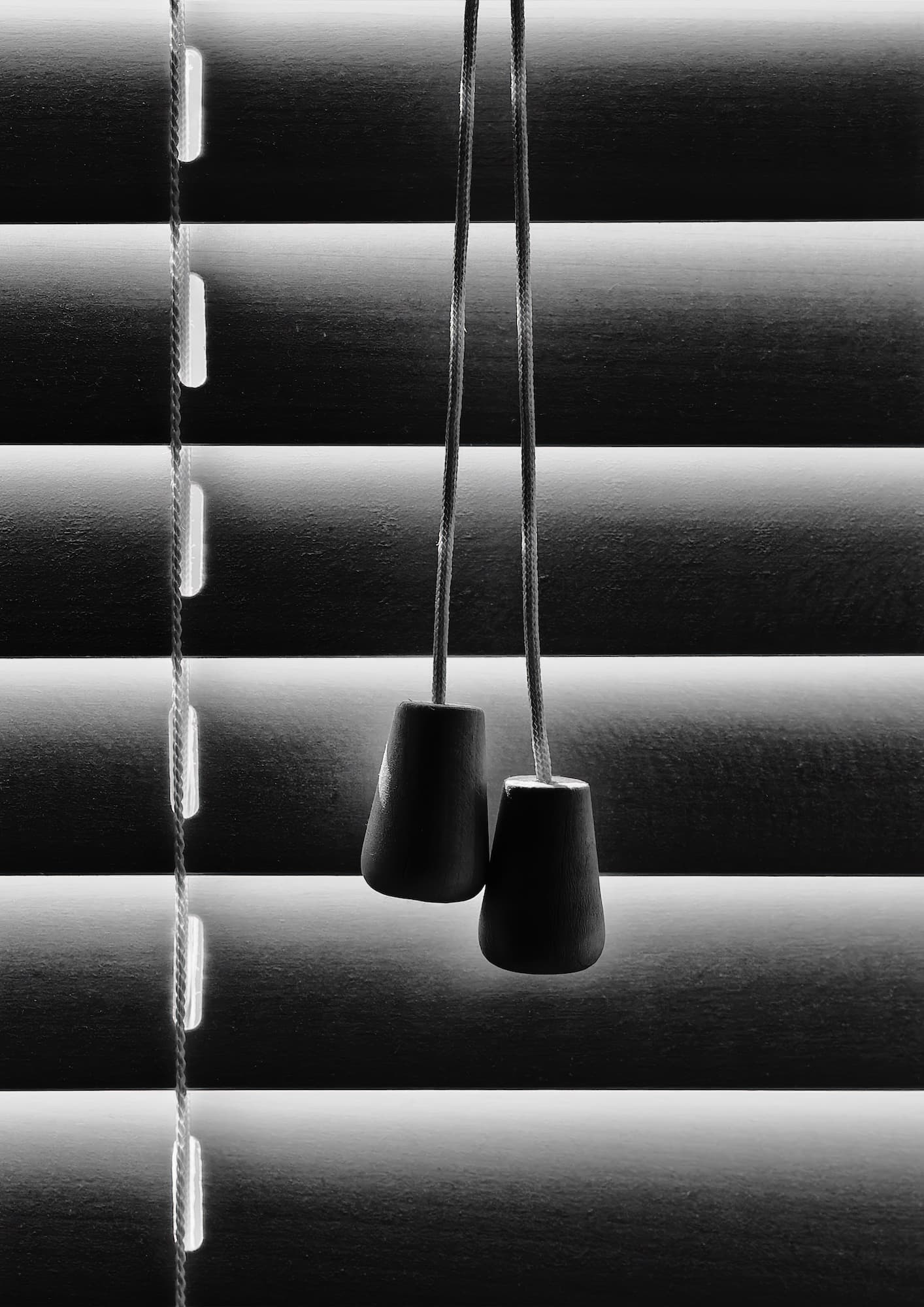
… these three images that I have just printed to 24" x 16", all taken with a Nikon D100 with only 6Mpx and, for the first one, a rubbish 28-200mm zoom.
I defy anyone without that background information to tell the original resolution compared with my D200, D810 and D850 images.
I bought the D850 because it is likely to be the last great DSLR that Nikon are going to make. But… it also gives me that ability to make stunningly highly detailed prints that fellow photographers keep on asking if I used a 5" x 4" LF camera to take them.
So, if you do get the opportunity for a mint condition D850, sell anything and everything you have to get it. Then you can stay with all your old lenses and not have to start yet another learning curve, rather than getting on with the business of improving your photography.
You’ve said it, others, including I, have repeated it - it’s not the camera that makes the image it is you!!!
If I can turn out the stunning prints I have done, with a “mere” D100, it would seem that you have more than enough, “proper” gear.
Thank you, that is so kind. But I didn’t get to where I am today by just buying more and more gear. That is down to a lifetime’s learning and experimenting, with the gear I had to hand.
It’s down to “developing your eye” and learning techniques from others, not their equipment.
Only impossible if you keep on taking all those detours, chasing this or that “gear”.
I doubt it. I am already severely culling what bird photos I have taken over my time. personally, without an interest in birds, I don’t see any point.
I don’t know where, or how, to even begin to answer all the above. They’re not even the right questions.
The D780 is a hybrid camera that can be used in DSLR mode or ML mode. You need to watch the video I posted to understand. He was using the camera as an ML camera, not as a DSLR.
I need to take a break from all this. Thanks to all of you for your help, especially with PhotoLab. Feel free to call the D780 anything you want. At this point, I don’t think anyone else here understand the D780, and apparently nobody has watched the video I linked to on shooting birds with the D780 in ML mode (the mirror being locked up, and no longer functioning).
I’m feeling overwhelmed by all this. If you want, argue with Nikon, not me.
@mikemyers, I second @Joanna’s comments. I have a panorama photo (three overlapping images, all hand held) printed and framed as a triptych (an A3 landscape print in between 2 A4 portrait prints) that I took using a lowly Canon 400D and a Tamron 55-200. I wouldn’t say it was stunning but it’s good enough to hang in my living room.
Many of the camera’s most significant improvements over the D750 come in live view mode, primarily because they’ve come directly from the company’s Z6 mirrorless camera.
> The live view AF system can focus down to –4EV (one stop lower than the viewfinder AF system) or –6EV in the slower ‘low light AF’ mode.
The first, and most obvious, is the on-sensor phase detection system lifted directly from the Z series. This helps to deliver a system with 273 AF points ranged across 90% of the frame. Incorporated into this is the eye-detection AF system introduced to the Z6 via a post-launch firmware update. The live view AF system can focus down to –4EV (one stop lower than the viewfinder AF system) or –6EV in the slower ‘low light AF’ mode.
The user interface in live view mode is also borrowed from the Z-series cameras, which will be pretty familiar to Nikon DSLR users, but also contains a few inconsistencies that will need to be navigated around.
Essentially this makes the D780 a chance for F-mount users to experience many of the developments Nikon has made for its mirrorless cameras, letting Nikon DSLR shooters experience the ease and precision of eye-detection AF.
Bottom line, the D780 can work like a DSLR with the viewfinder, and can work like an ML camera using the rear screen in Live View mode.
Final note:
I don’t see any point in discussing this right now. I haven’t yet had a chance to try it, maybe next week. I’ll post edited results afterward.
English is not my native language. But what I read is that he had a D780, was impressed about its LV and bought a Z6II. Intro till 1.13 and then showing the menu settings off the Z6II up to the end 14.56.
I just wonder if your friend used the backscreen for bird photography. Using the EVF I don’t see any blackout between the shots. Not more than on any other camera. As said here several times by others the back screen is not suitable for bird or any other action photography.



 how on earth do you square that statement with your frequent cry of it’s not the camera, it’s the photographer?