Hi
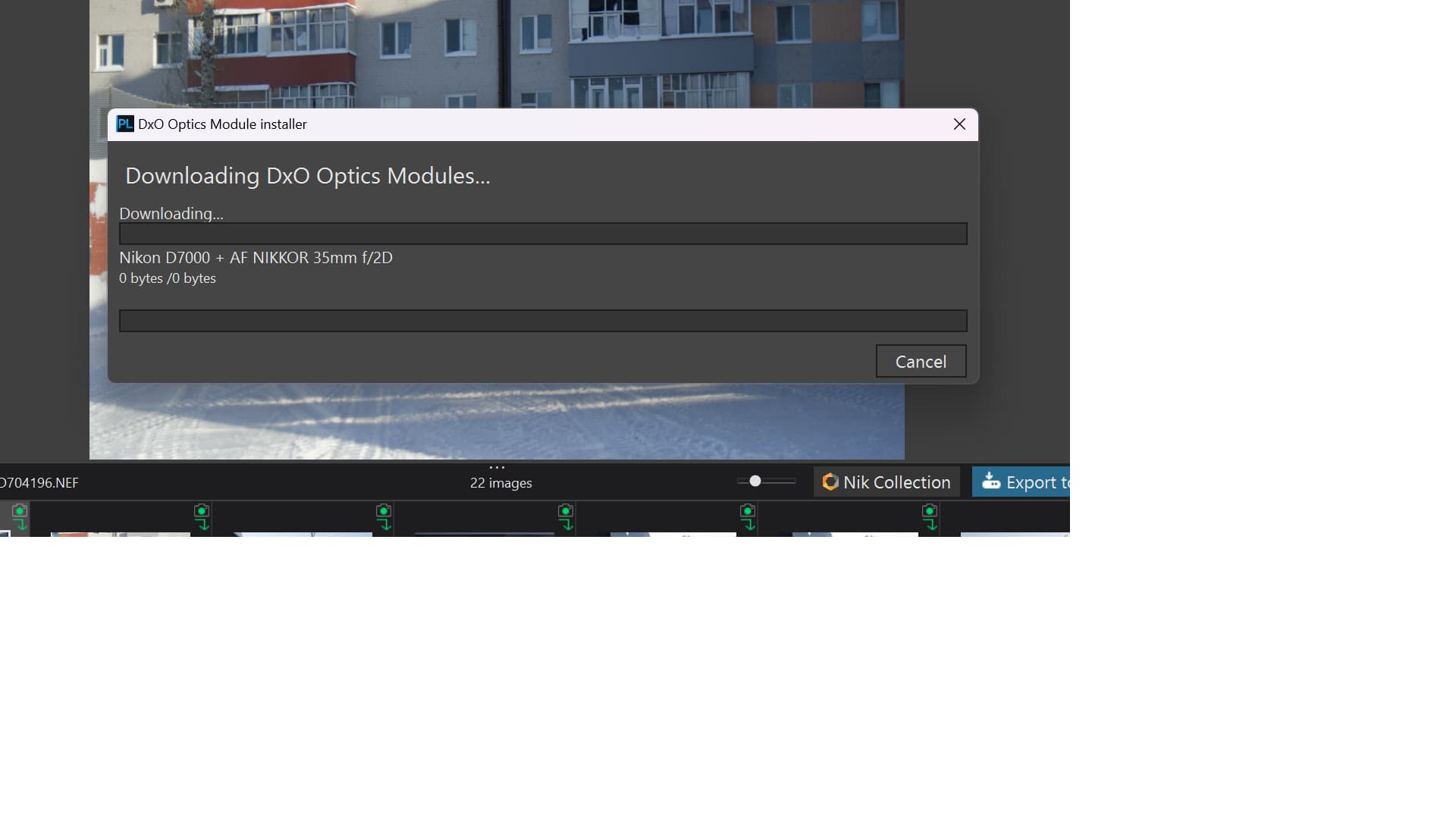
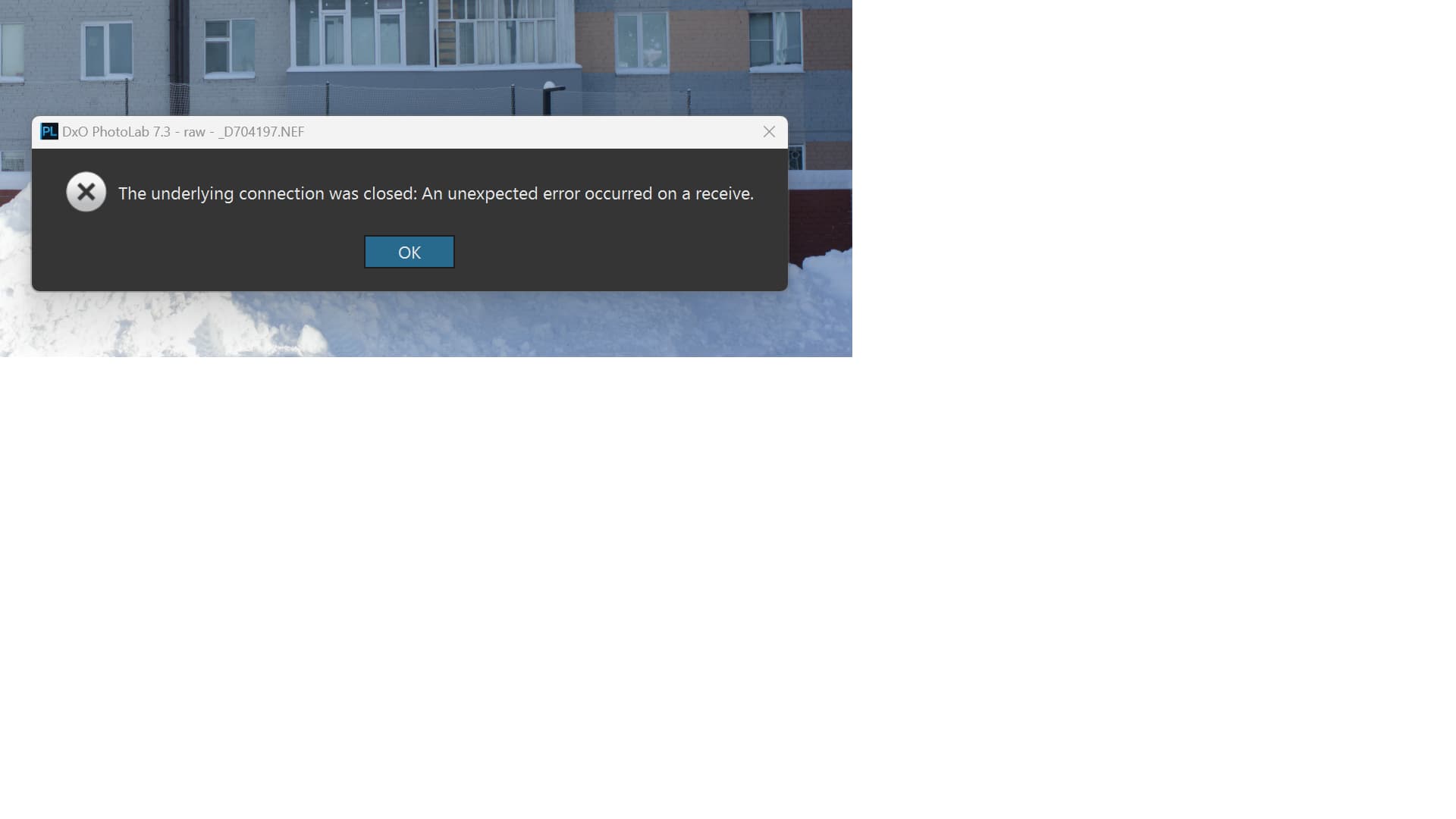
I am trying to download the optics modules for my camera/lens combination. They are listed but I get an error “The underlying connection was closed. An unexpected error occurred on a receive”.
Yesterday it took me some 3 seconds, but a month ago I had to wait several minutes just for two modules. It seems that their server is sometimes overloaded. In my case activation.dxo.com is resolved to 5.196.172.208, which is hosted by OVHcloud datacenter in Roubaix, France (argh, Paris-Roubaix cycling race, the road to hell ;-)).
How long does it take for the error to appear?
Did it show any bytes downloaded before the error appeared?
Hi Wlodek
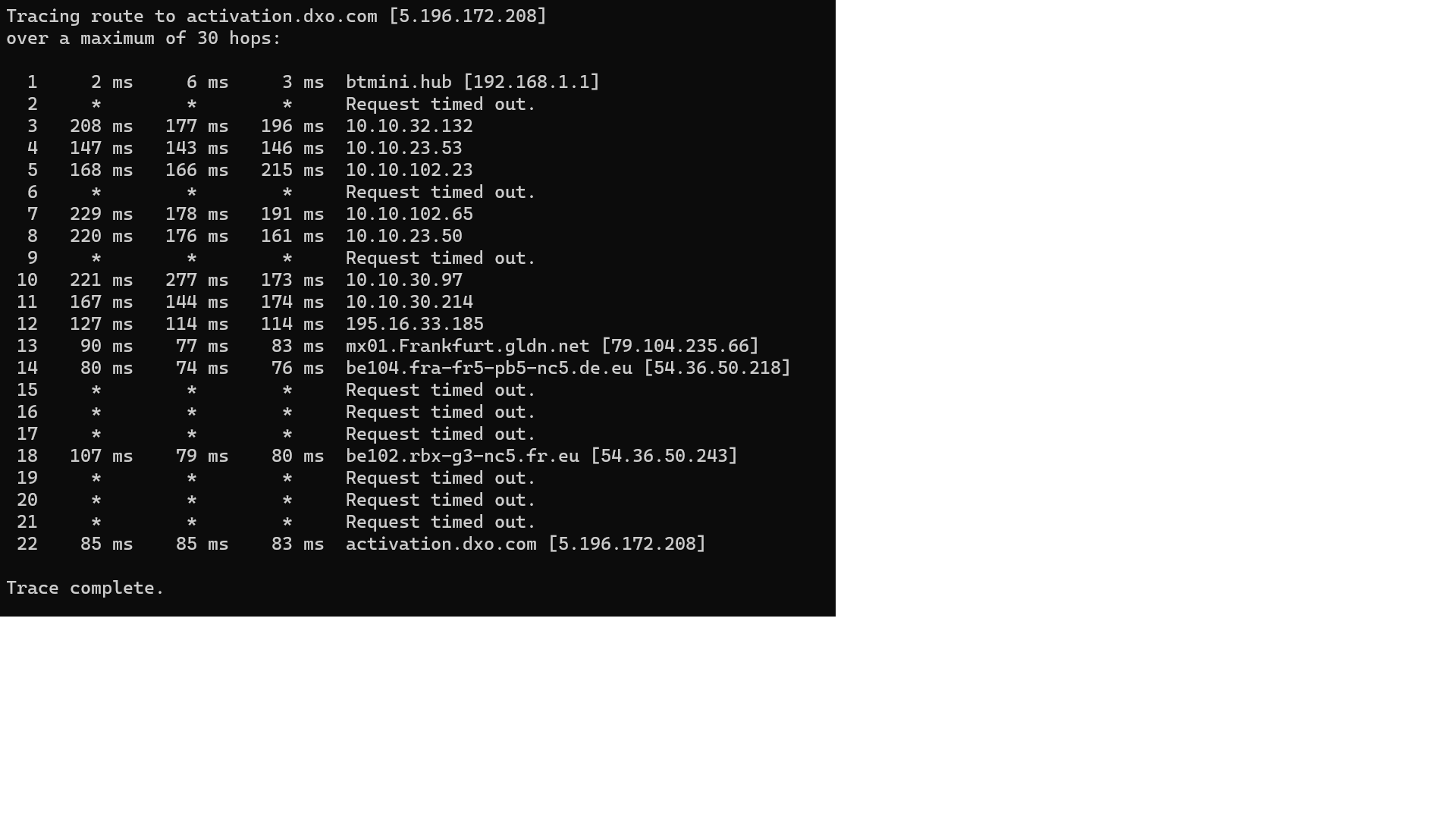
Thanks. Nothing starts downloading. It takes about 40 seconds for the message to appear. I did a tracert command (WIndows) to the domain you mention and I got some timeouts though it did complete. However only after 2m 40s. about Possibly then a network problem related to the delays but not certain.
I did wonder if this is because this is my second trial on the same PC, but it would seem strange for DxO to allow me to activate a second trial but then to block download of Optics Modules, though I suppose that is possible.
However; the most likely explanation seems to be network problems and the timeout.
So I will keep trying. (e.g. try a different network to connect)
The timeouts you observed in tracert are normal - for security reasons some routers on the network path do not generate certain ICMP packets (TTL Expired). You may just try ping, optionally with the ‘-t’ option.
It’s more likely that the server was temporarily overloaded or it’s a problem with a second trial indeed.
I got to the bottom of this (with some help from DXO support). I am 99% sure the problem is this:
For some completely inexplicable reason the .caf optics files are downloaded by the app over http and not https. This is 2024 so I am really quite surprised by that. But that is the case as can be see by looking at the log files after a failed download e.g;
I am guessing that my network provider (correctly in my opinion) identifies that as a suspicious file - an unknown file type over http. and blocks it.
It took me some time but this is the workaround:
I force the error (either by ingesting a new image or by trying to download a specific profile via the Optics Module menu item), then check the log file to get the actual path which failed. [C:\Users\USER\Documents\DxO PhotoLab 7 logs\DxO.PhotoLab.txt] - look for something like the above error message at the end of the log file. (It seems to be ok just to delete this file if it is very big and it will be recreated). Extract the url.
Then I access the same link with https:// in a browser, download the *.caf file, manually. (Some browsers may throw up a security warning and you have to say ok). Place it in: C:\Users\USER\AppData\Local\DxO\DxO PhotoLab 7\Modules .
You can now verify it has found it by choosing Optics Modules from the main top menu and seeing it is installed.
Restart PhotoLab and maybe turn off/on the distortion control. And it picks it up. (The restart may not be necessary)
(A rather special issue - when I tried the above method with a Nikon Z 50 jpg it located the module and it was seen in ‘installed modules’ but it would not apply it to the image. This is a separate issue. It seemed not to be sure it was the right profile. Now I went into the Optics Modules menu and chose the same camera + lens combination but the NEF (Nikon Raw) version to manually install it - and, to my surprise, this one appeared to be downloaded. The jpeg one was applied to the image. It may be that you need both the raw and the jpeg versions to be installed for the jpeg one to be applied. I do not know if on this occasion it actually did download the .caf file or if it extracted it from the already installed jpeg version).
The above fixes this problem for me. Hopefully it will help others.
I have queried with DXO support why the download is over http:// and not over https:// (the server fully supports https://).
UPDATE 9-May-2025 How to fix the problem in FilmPack.
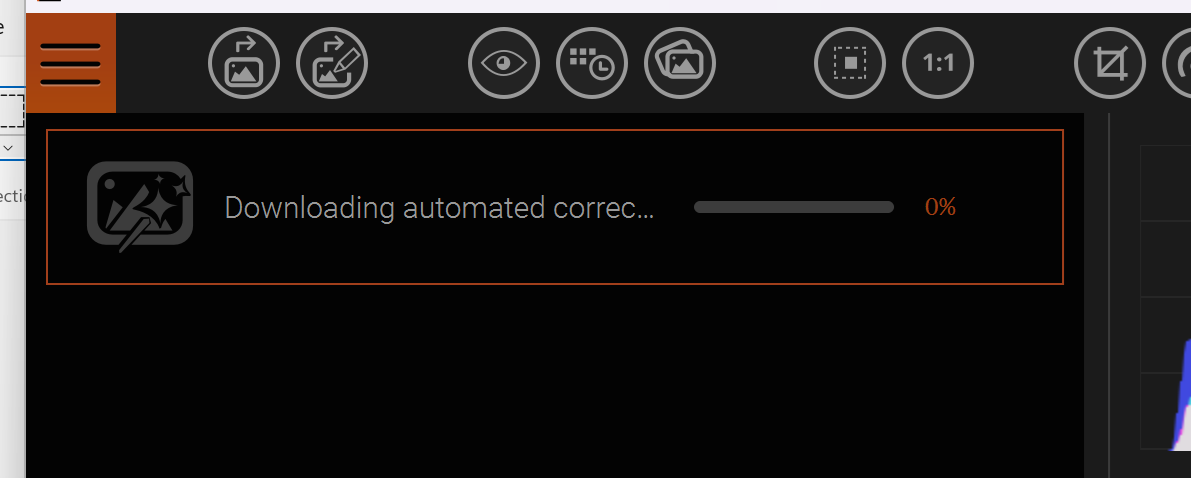
I ran into the same problem with FilmPack. When I open an image for which there is no available downloaded camera+lens optics module it attempts to download it. Again; for me it fails. (Because my ISP is blocking the download for security reasons).
Now - you have to know your camera and lens combination (and maybe also raw or jpeg?). In my case: Nikon D800 + 85mm F1.4
Now - open the same image in PhotoLab and it will try to download the optics module. Follow the steps above to manually find the optics module. Download it manually by locating the url as in the above.
Now place it in the module path for FilmPack (and PhotoLab as well - for good measure).
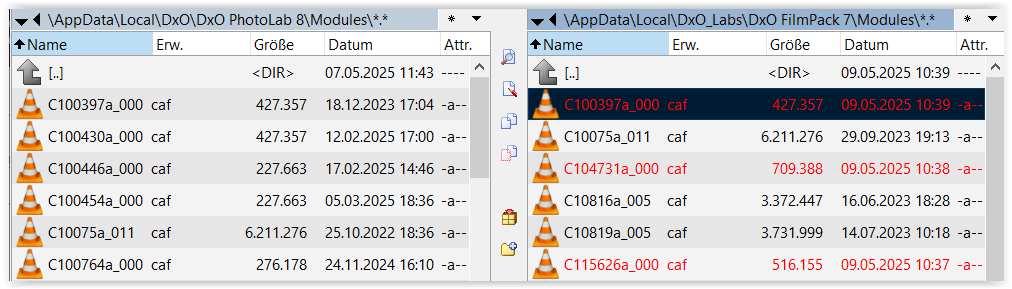
Note; in my specific case I already had the module downloaded for PhotoLab and was able to copy it from C:\Users\USER\AppData\Local\DxO\DxO PhotoLab 7\Modules to C:\Users\USER\AppData\Local\DxO_Labs\DxO FilmPack 7\Modules - If you open DXO Optics Modules from the top menu and look at installed modules if gives you an ID which corresponds, helpfully, with the file in the modules path.
I think this works because after doing this and re-opening the same image in FilmPack I did not get the message about downloading auto-corrections. (Whereas I did every time I opened it before doing this).
It seems (high confidence) that the modules are shared between PhotoLab and FilmPack. - I mean, they have the same format. But the paths are different as per the above.
If this is all too complicated - change your ISP? Maybe there are ways of doing this. E.g. if you work on a laptop take it to a café and hope their ISP is not doing this kind of blocking. If you find such a solution you could shoot samples for all your camera and lens combinations and force downloads for all.
I checked it with the same version of FP7 Standalone and some raw files that were “new” in it because the corresponding profiles were downloaded automatically.
As the date of the downloaded profiles shows, the 3 marked files were opened much earlier in PL8 (and here, the PL8 Modules display more than 300 profiles, while in FP7 there are just 38 files including 3 CAFList/s).