I use PhotoLab for about 2½ years and I think I know the program and its capabilities quite well by now. I like to spend a lot of time in nature (on foot or by bike), documenting the experience with photos. However, I’m still struggling to find a consistent development style for “general nature shots”, mostly in good lighting conditions.
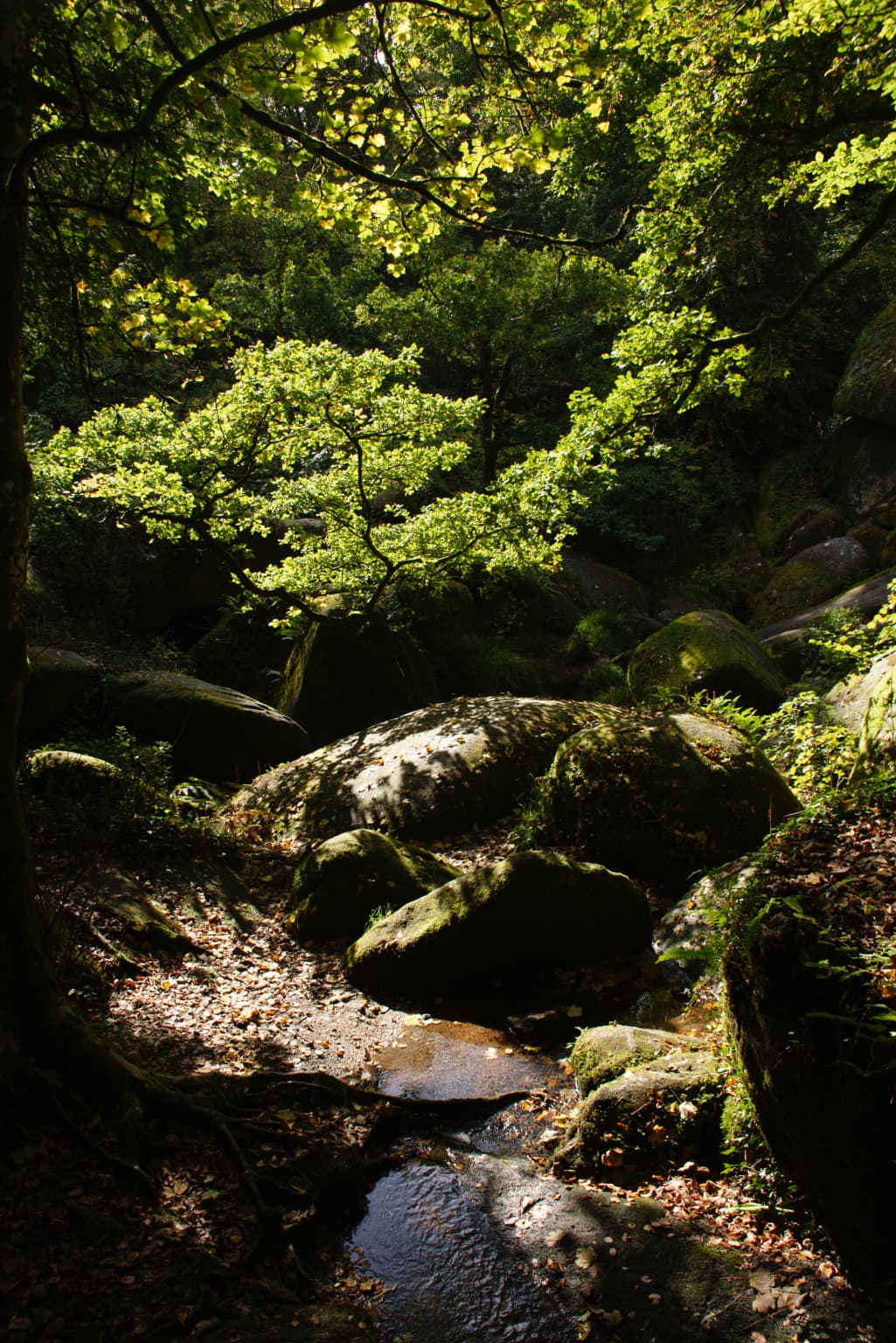
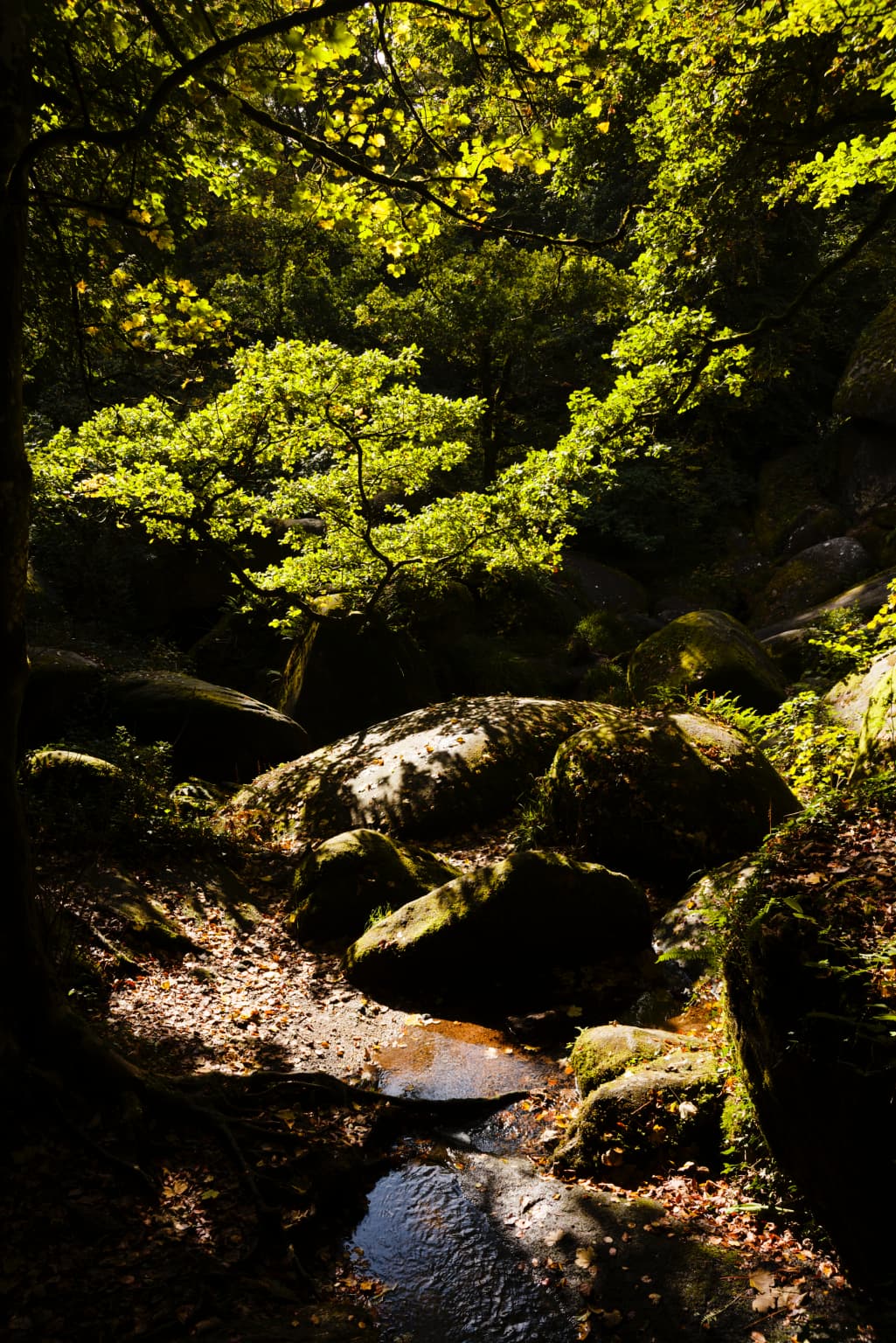
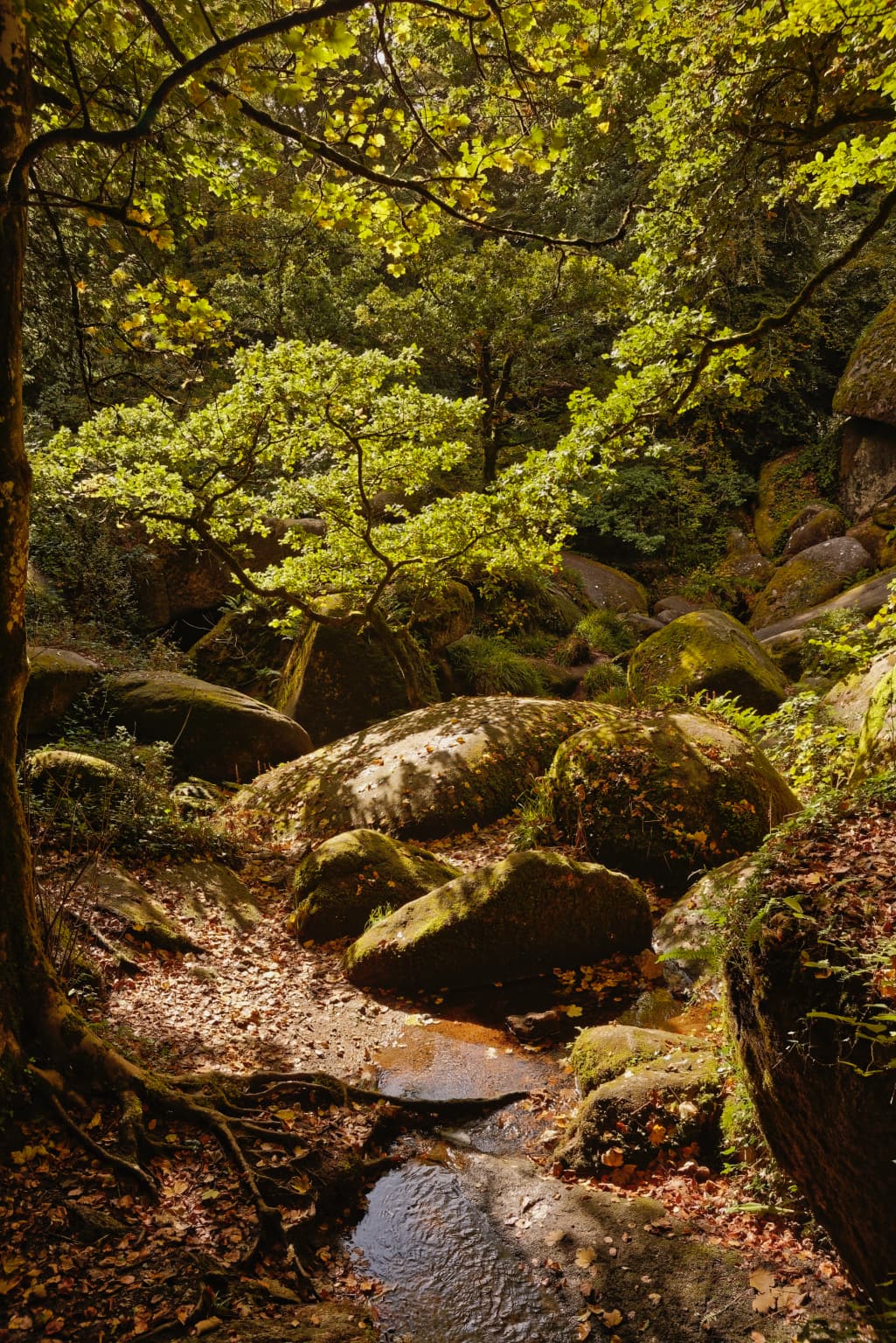
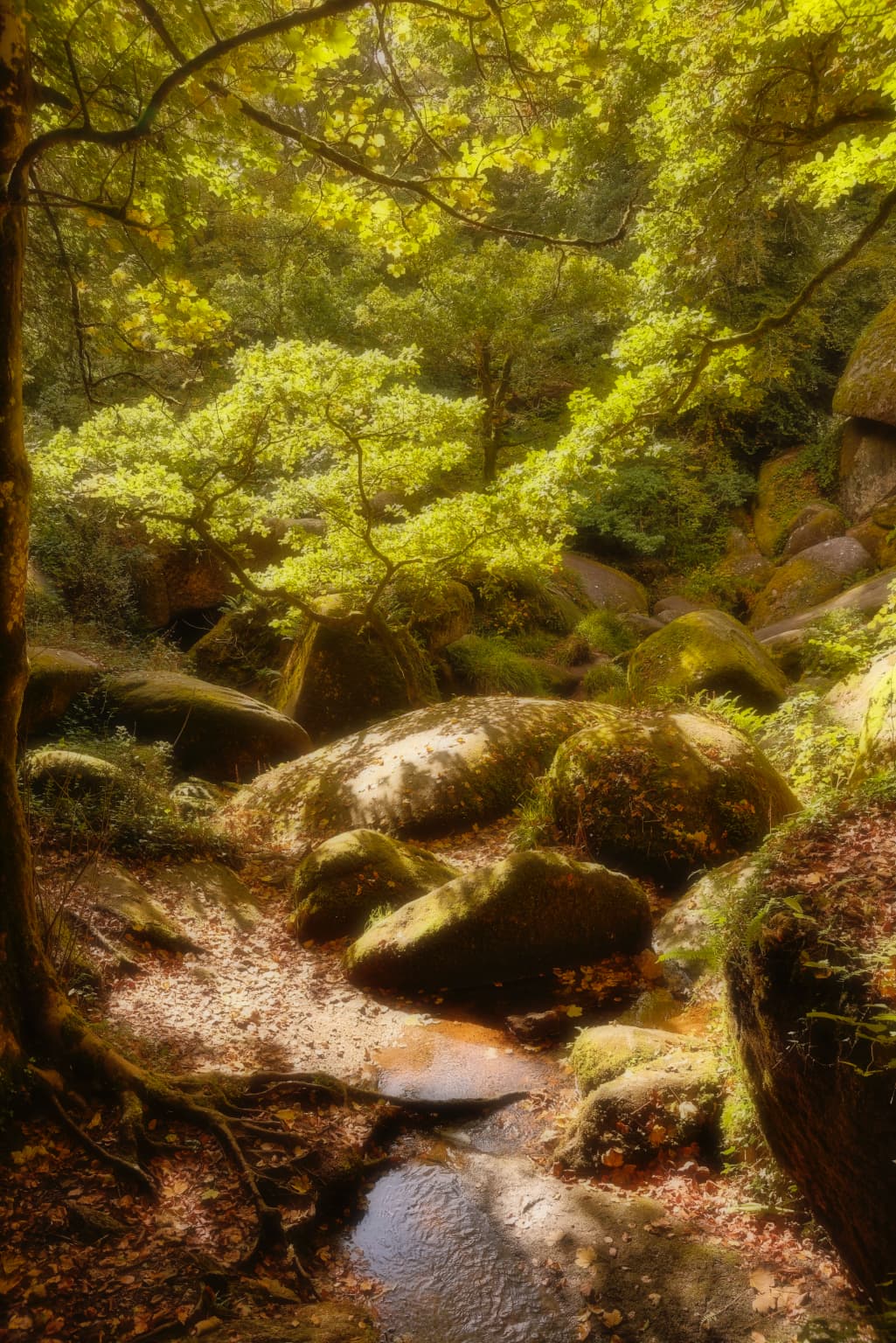
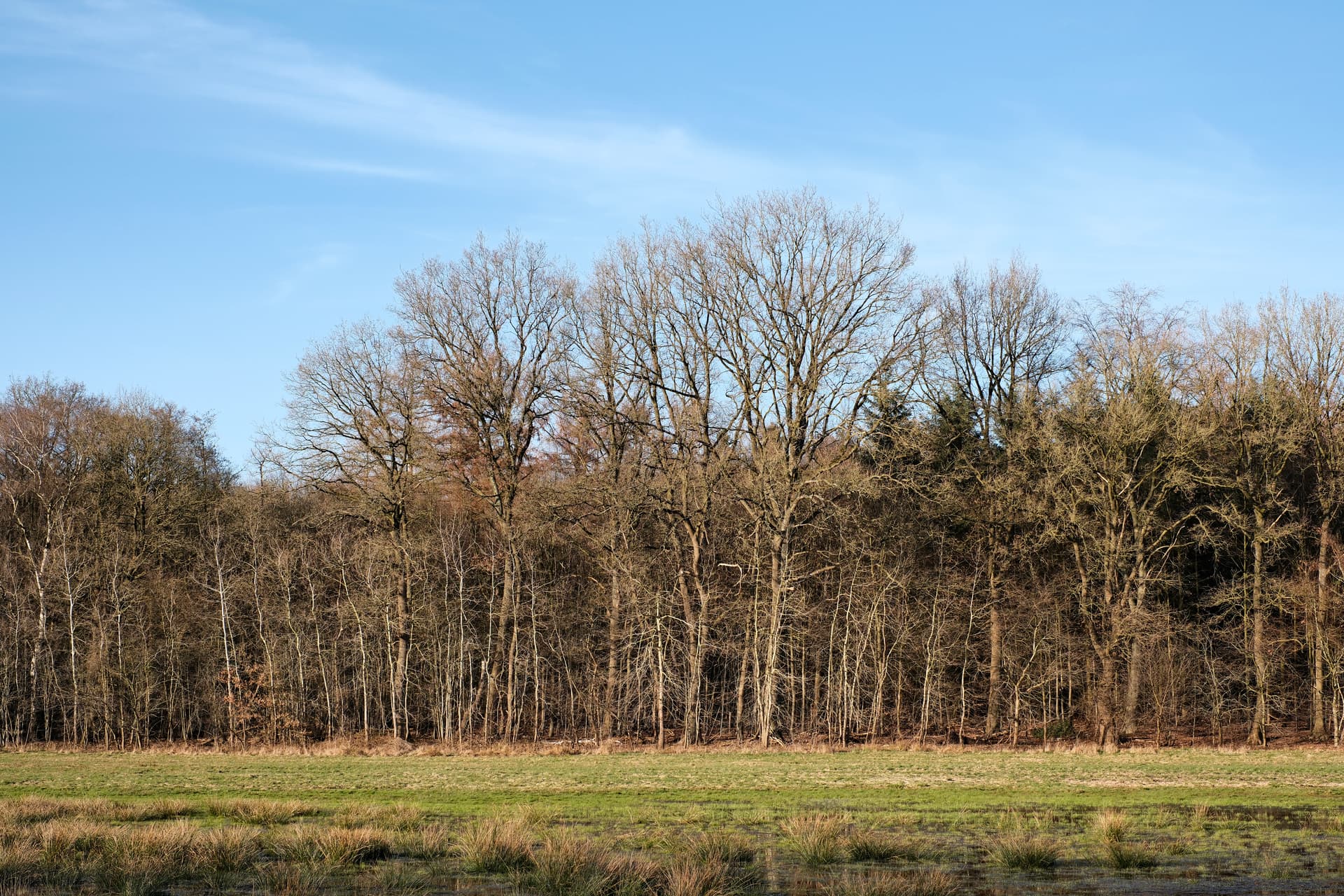
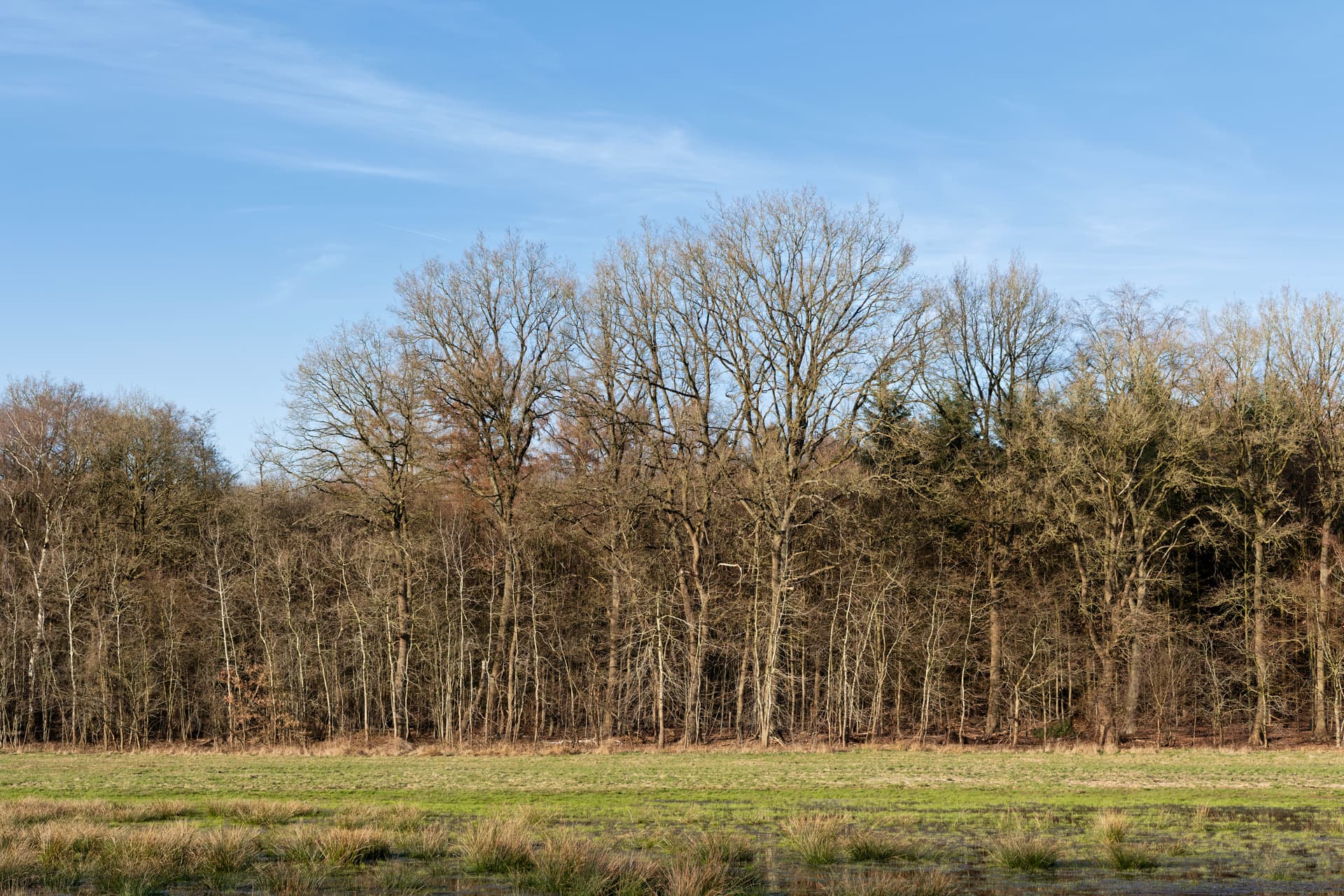
The differences are subtle, but please look at the two (quite unspectacular – I know) photos. Which one do you like better regarding colors/contrast/etc., on first and/or second look?
In direct comparison of your published images (and remember that this forum does not support dedicated colour profiles… therefore exporting as sRGB is the safest option), the second version looks as if it has received correction of distortion and vignetting with better sharpness on the left and right edges of the landscape and perhaps some ClearView.
In the second image, the greenery and the forest seem to “extend” beyond the frame, which I prefer for this subject as you’ve depicted it. – However, the colours appear somewhat flatter than the warm colours in the first image, but colour reproduction is, of course, a matter of taste.
( I would love to see a more interesting, less “technical” image. )
I’ve found myself experimenting a lot with contrast and masking lately and am really enjoying how things are turning out as a result. It’s not necessarily natural (that is: if you wanted to document exactly what you’re shooting, as your eyes perceived it) but I do find it more pleasing on the eye.
With that in mind, I prefer the brighter sky of your first shot, but the less contrast-heavy woodland and grass of the second.
What isn’t helpful is that - if you applied that look to every photo you took, it might look better in some and worse in others.
I’ve ended up trying to create a general baseline preset:
A normalised exposure curve that keeps as much detail as possible in highlights and shadows.
Colours set how I want them in terms of colour but not the saturation or luminosity of that colour. So “pink” will always err towards red in my shots, but I can control how much saturation or luminance there is in each shot individually rather than the preset pasting in the same values each time.
I also preset standardised noise, sharpening, and contrast values with a view to…
…masking key subjects and increasing/decreasing exposure, saturation, sharpening etc. to either help highlight them or make them less “key” in the scene.
It’s a lot of testing, fast iterations, and doing little changes in the presets so that the end tweaking is helped along, not predetermined by the preset every time.
I prefer the second shot as the shadows in the trees are not as intense. But I agree with @Joanna that this opinion only applies to this shot, and it may differ from yours.
I’ve edited and published photos that I have really liked, only to come back to them years later and wonder what on earth I was thinking.
Times change. Tools change. Capabilities (of tools and operator) change. Even your screen may change, or the room you have it in and consequently the lighting.
So many variables. Purely on processing, try copying all your light and colour adjustments from one photo onto all the others you took in the same place. Some will look OK and some will look terrible. Which just goes to show… every shot is individual.
@stuck@zkarj I reckon we all have if we’ve been shooting long enough!
Absolutely agreed about the tools too. There are some edits I’ve made 5-10 years ago that I come back to today and think “Jesus that’s soft”. Running it through the latest PhotoLab contrast/sharpening/NR etc. breaths new life into shots like that.
Yup. When I discovered PL3, I went back and reprocessed shots. Then when PL4 came out, I redid some of the same ones again, plus more. When PL5 came out… and so on.
I stopped counting at 2,000 shots reprocessed in PhotoLab. Both from prior products, and from earlier versions of PhotoLab.
I recently saw an incredible example of how different one’s “editing eye” can be over time.
Caution language, but this is worth a watch, if only for the last photo and his retrospective views on how it got that way.
I have looked at the images from the far first. Then took a quick closer look. I have to admit, that the second image has something special. But I prefer the first one due to its more natural look.
 )
)